Science, Technology, and International Affairs Major
Address the most pressing challenges of a technology‑driven world.

Major Overview
Launching in Fall 2026, the Science, Technology, and International Affairs (STIA) major equips you to tackle the world’s most pressing global challenges by applying cutting-edge science to complex political, social, and ethical issues. By combining science with international affairs, the STIA major prepares you to explore the technological and scientific issues driving today’s global conversations.

Assistant Teaching Professor Rowan Ellis
Curricular Field Chair

Morgan Fisher
Curricular Dean
Quick Links

Why Study STIA At-a-Glance
Now more than ever, science and technology are at the heart of international affairs. This major equips students with the knowledge, skills, and confidence to engage with these challenges and opportunities.
STIA majors graduate with a combination of scientific knowledge, technical expertise, and understanding of global challenges, preparing you to lead where science and technology intersect with global policy.
3
Science fundamentals
1
STIA gateway course
1
Methods course
4
Electives
Career Paths
Students who choose the STIA major will be prepared to work in government agencies, international organizations, NGOs, and the private sector, with specialist skills in climate, technology, and/or energy policy.
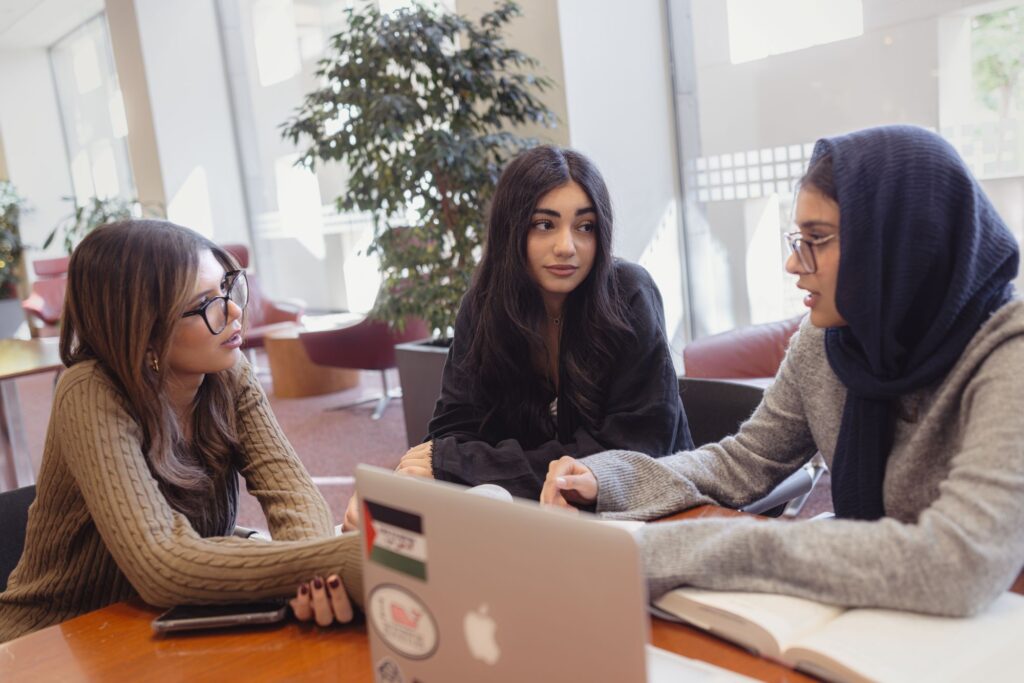
Declaring Your Major
You will declare your major during the first semester of your sophomore year in consultation with your advisor. When declaring a major, you will prepare a proposal outlining the reasons why you want to pursue the STIA major and how it aligns with your academic interests and career goals.

Skills You’ll Learn in the STIA Major
- Communicate complex scientific concepts clearly and persuasively
- Build a versatile skill set for careers in international development, government agencies, global health organizations, and beyond
- Learn scientific theory and practice through a laboratory-based science sequence
- Develop multidisciplinary expertise in a concentration area
- Incorporate scientific knowledge and methods into the study of international affairs
- Engage with groundbreaking research and collaborate with experts to find innovative solutions to challenges like climate change, energy, and cybersecurity
Alumni Spotlight
What You Can Accomplish

Aldrinana Leung, Global Social Impact Manager at Starbucks

Andrew Gilligan, Vice President at Sol Systems

Tripti Bhattacharya, Assistant Professor of Earth Sciences at Syracuse University