Certificate in Media and Politics
Study how media shapes—and is shaped by—political, diplomatic, and policy-making processes.
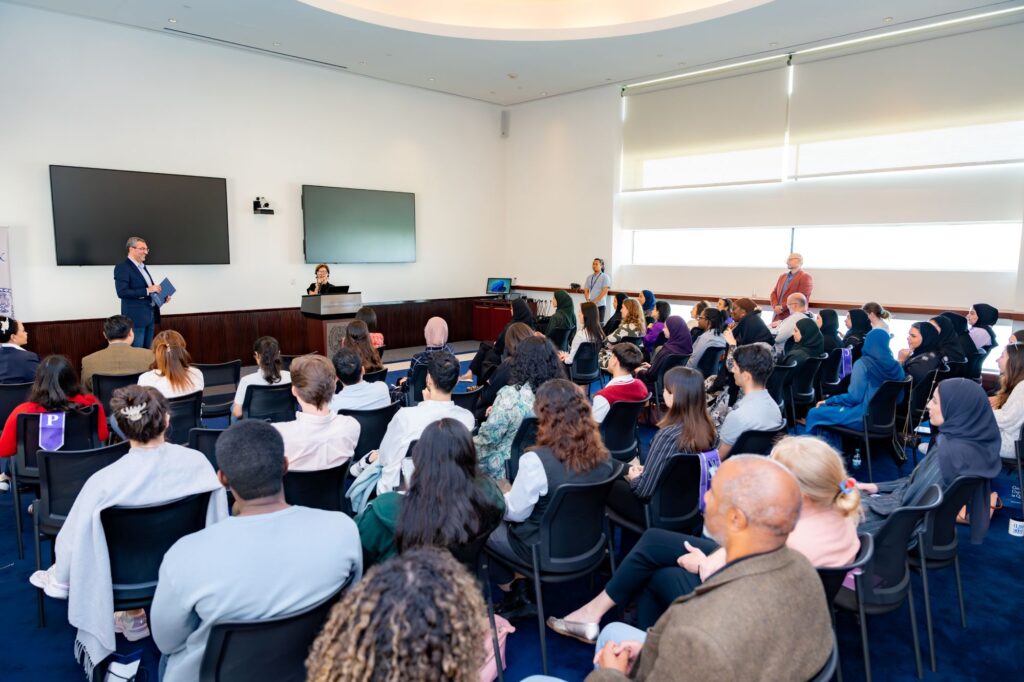
The Certificate in Media and Politics (CMAP) is offered jointly by GU-Q and Northwestern University in Qatar. It capitalizes on the strengths of both universities to provide students with an enhanced understanding of the role of mass communication in political, diplomatic, and policy-making processes, as well as the role of politics in the shaping of mass media products and policies.
For more information, see the Media and Politics brochure. Northwestern Qatar students pursue a Minor in Media and Politics and should refer to their website for details.
Administrators
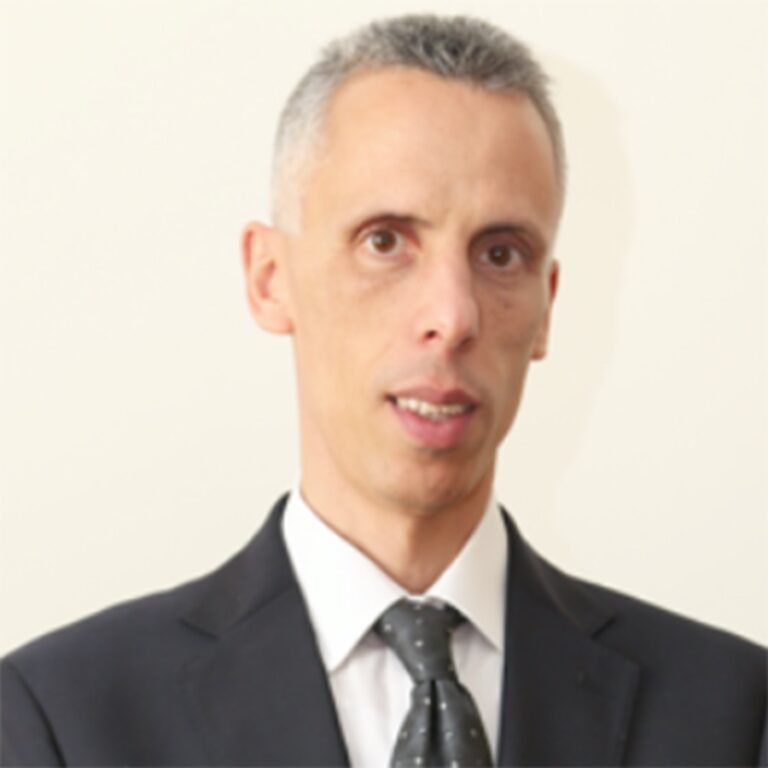
Dr. Mohamed Zayani
Director of Certificate in Media and Polics
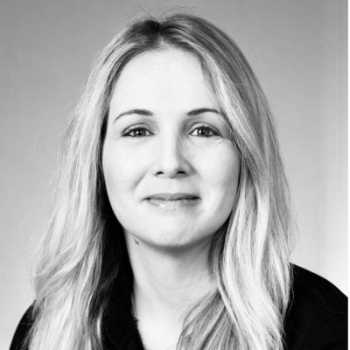
Dr. Valentini Pappa
Faculty Liaison
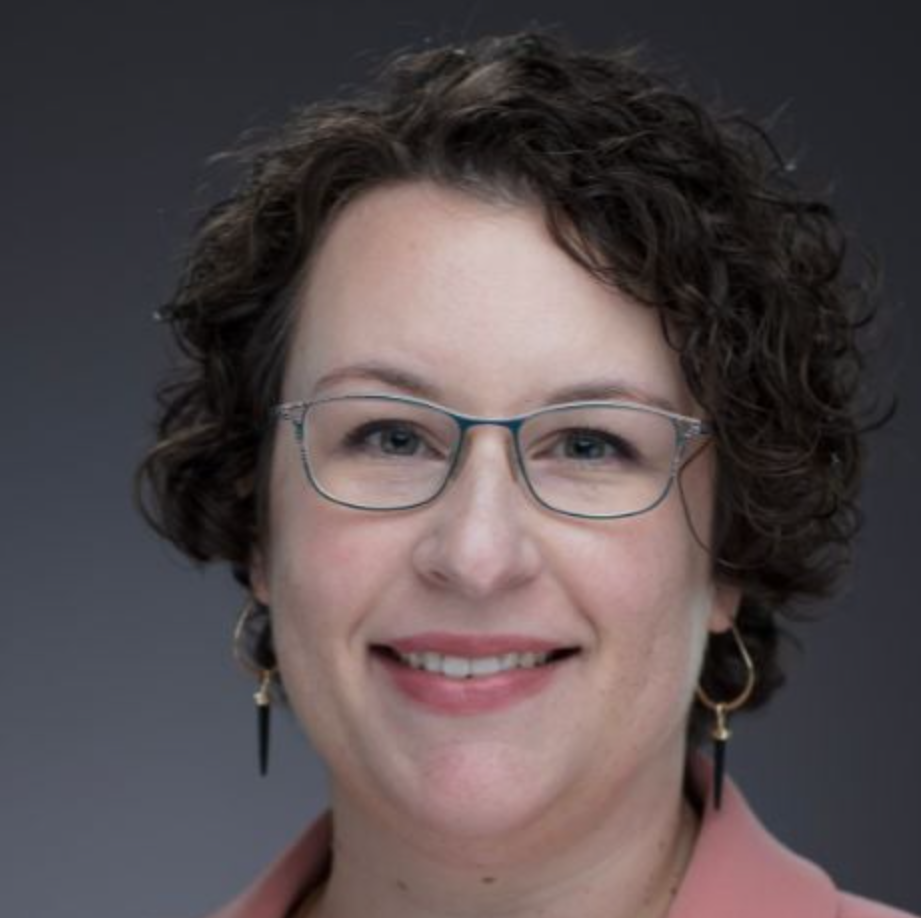
Elizabeth Wanucha
Student Advisor
How to apply
GU-Q students must apply online to the Certificate in Media and Politics by the posted deadline. CMAP is a competitive program and there are limited seats available. Interested students should discuss the Certificate in the context of curriculum planning with their academic advisors. For questions and inquiries, contact the program advisor Elizabeth Wanucha.
- Eligibility and submission guidelines:
- Class Year: Applications are open to sophomores and juniors provided they can show evidence that they can complete the program prior to graduation.
- GPA: Applicants must have a cumulative GPA of 3.5 or above at the time of the application.
- Research Proposal: Applicants need to submit a brief research proposal for their capstone projects as part of the application.
- Mentorship: Each prospective applicant must identify a faculty member willing to mentor their capstone project. It is highly advisable to choose a mentor whose expertise is related to the applicant’s proposed research topic.
- Application Deadline: October 1, 2026
Requirements
The Certificate in Media and Politics requires that students complete six approved courses and a capstone project (either a thesis or an ePortfolio). Upon successful completion of requirements, the Certificate will be posted to the official Georgetown University transcript.
Courses
3 GU-Q courses
- 1 CMAP core course
- 2 approved political science courses (courses fulfilling the political science requirement are designated with the IPOL, GOVT or INAF codes)
1 flexible elective class
- 1 approved media elective course (media here is broadly defined) taken at GU-Q or Northwestern Qatar
2 NU-Q classes
- 2 media courses approved for the Media and Politics program
Capstone
The capstone project affords the students the opportunity to engage in mentored research and critical reflection. CMAP students elect to pursue either a thesis or an ePortfolio. The ePortfolio is completed throughout the two years of the certificate. The thesis is completed in the senior year, or the junior year if a student also pursues Honors in the Major.
ePortfolio option
The ePortfolio is a cumulative project that is designed for the students to reflect on the work they have done in the program. The ePortfolio platform provided to students will serve as an online repository for student organization and learning, and for advisor mentoring and monitoring. On the student end, it visually organizes and stores Media and Politics materials and facilitates reflection, interdisciplinary and experiential connections, and critical evaluation. On the faculty side, it facilitates student-advisor interaction and monitoring of progress.
The e-Portfolio is meant to foster a dynamic learning experience. It does not constitute an assessment tool on its own; rather, it serves as a foundation for creating the assessments (reflective essay, oral presentation, etc.), and is graded on a pass/fail basis.
Requirements
- For each of the six courses, include (1) a representative/culminating written work; (2) any relevant artifacts (e.g., videos, images, presentations, etc.); and (3) a 500-word written reflection on the experience of the course as part of the certificate. The reflective essay should ideally make interdisciplinary connections, connections to experiences, demonstrate a critical evaluation of these connections, demonstrate reflection and self-assessment, and be well-written and well-organized.
- At least one documented meeting with mentor per semester.
- At least one co-curricular enrichment activity (e.g., lecture, workshop, field trip, etc.) relevant to certificate attendance and participation, accompanied by a written reflection describing the connection to the certificate.
- A digital narration of the ePortfolio during senior year.
Thesis option
Requirements
- Write a 25 page research thesis on a topic related to media and politics, under the supervision of a GU-Q faculty mentor. Students can elect to substantially revise and expand a paper undertaken as part of a previous course.
- At least one documented meeting with mentor per semester.
- Final thesis reviewed and approved by the faculty mentor
- Submit thesis and formal digital narration of the research project during the spring semester in which the thesis is completed to the CMAP faculty committee. The thesis is graded on a pass/fail basis.
Guidelines
Key dates and milestones
September 1, 2026 (or earlier): Meet with mentor to discuss CMAP project
November 1, 2026 (or earlier): Progress report due
January 17, 2027 (or earlier): Near-final draft due
March 12, 2027 (or earlier): Final project due
April 7, 2027: CMAP Capstone Showcase Event
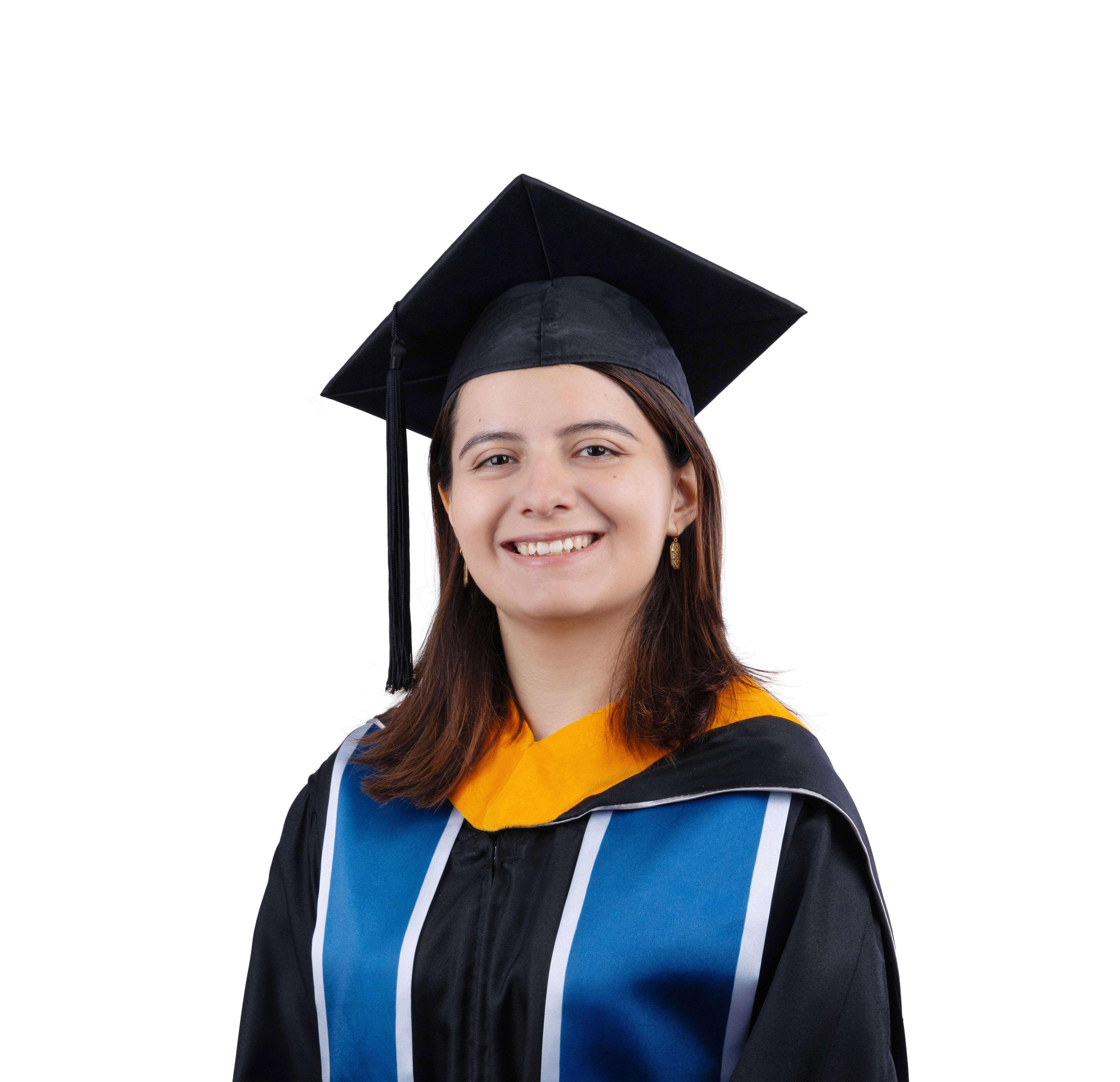
Alumni Spotlight
Contributing to digital sovereignty for Ecuador
Emilia Pacheco De Larrea, Class of 2025, majored in International Politics and minored in History, but found her passion through a Certificate in Media and Politics where she studied how preferential trade agreements can support the digital sovereignty of her home nation of Ecuador. “As digital systems and cyberspace become new gateways for interconnectivity and societal growth, I am determined to contribute to the growing conversation on how these digital tools can be regulated to secure the best future for all, especially the Global South.”
Frequently Asked Questions
Are the CMAP courses separate from the four cross-registration courses Georgetown students are allowed to take?
No. CMAP students must use three of the four total cross-registered courses to satisfy the three NU-Q Certificate course requirements. Plan accordingly to take no more than one cross-registered course before applying to the Certificate. After completing the first year of studies, students can take one cross-registered course per semester, up to a total of four courses during their Georgetown studies. Learn more about cross-registration.
Do I have to wait until the start of classes to know which NU-Q course I can take that semester?
No. Students pursuing the Certificate will have early cross-registration access to Certificate courses at NU-Q, and NU-Q students have early cross-registration access to GU-Q Certificate courses. The CMAP student advisor will contact all students during pre-registration each semester to coordinate cross-registration for CMAP courses.
Can I pursue Honors in the Major and the Certificate?
Students who plan to pursue Honors in the Major must complete the CMAP thesis before the start of the fall semester of the senior year. If students can’t complete the CMAP thesis before the start of the senior year, they need to then choose EITHER the Certificate OR Honors in the Major.
When can I apply to pursue the Certificate?
Students must apply by the posted deadline of their sophomore/second year of studies. Occasionally, juniors/third-year students will be allowed to apply.
Is the Certificate limited to certain majors?
No, CMAP, like other GU-Q certificate programs, is open to any GU-Q student, regardless of major. Some will require more curriculum planning and sequencing than others, so plan early.
Can I enroll in Certificate courses before applying to the Certificate?
Most CMAP courses will be taken in the junior and senior years, but CMAP courses taken earlier than that, or before applying to CMAP, will count toward the Certificate.
What is the expected length for the Certificate thesis, and what else can you tell me about the thesis?
The thesis will be 25-30 double-spaced pages, including references and endnotes. The submitted thesis will receive a Pass/Fail grade and not a letter grade. The thesis topic must be related to media and politics, and the topic must be approved at the beginning of the senior year by the Media and Politics faculty chairperson. Students must present the thesis publicly in the spring semester of the senior year.
Useful Information
- CMAP students must use three of the four total cross-registration courses to take the three CMAP courses at NU-Q.
- Students pursuing the Certificate will have early registration access to Certificate courses at NU-Q, and NU-Q students will have early registration access to GU-Q Certificate courses. The CMAP student advisor will contact all students during pre-registration each semester to coordinate cross-registration for CMAP courses.
- Students who plan to pursue Honors in the Major must complete the CMAP thesis before the start of the fall semester of the senior year. If students can’t complete CMAP before starting honors, they need to discuss which to choose with an academic adviser.
- Sophomores must apply in March of their sophomore year. The specific deadline will be announced each year.
- CMAP, like other GU-Q certificate programs, is open to students pursuing any major. Some will require more curriculum planning and sequencing than others, so plan early.
- Most CMAP courses will be taken in the junior and senior years, but CMAP courses taken earlier than that, or before applying to CMAP, will count toward the Certificate.
How do I drop the Certificate?
Currently enrolled students who wish to withdraw must complete the Certificate Program Drop Form. Please submit the form to formally notify the relevant offices of your decision to drop the program.