Culture and Politics Major
Explore the complex relationship between culture, knowledge, and power.
Quick Links
Major Overview
The Culture and Politics (CULP) major is designed to create an understanding of the complex relationship between culture, knowledge, and power. Make a difference in a world marked by power hierarchies and cultural conflicts, by learning the theoretical frameworks and analytical skills to enhance cross-cultural tolerance, social justice, and ethical leadership.
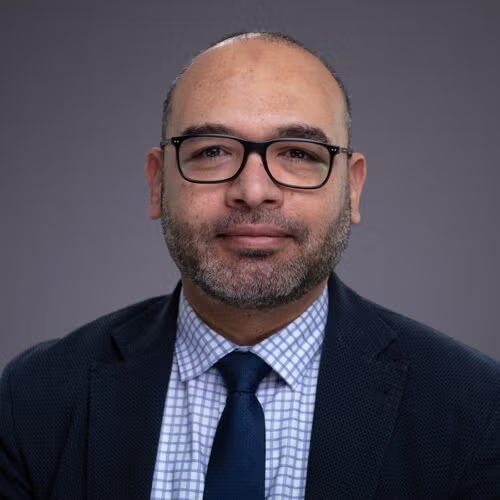
Ayman Shabana
Curricular Field Chair
Morgan Fisher
Curricular Dean

At a Glance
1
Foundational course
4
CULP core courses
5
Concentration courses on a chosen theme
Career Paths
CULP alumni have pursued careers in higher education, government ministries, cultural organizations, and private industry.
Declaring Your Major
You will declare your major during the first semester of your sophomore year in consultation with your advisor.
Why Study Culture and Politics?
What do a critical moral judgment, a parliamentary act, an earnest prayer, a patriotic poem, and a romantic movie all have in common? They are all expressions of a culture, shaped by the power their culture exerts on those who create them and those who perform them.
Overt exercises of power—by police, military, or people with political authority—are easy to see. But the relationship between power and culture is often less visible. Culture shapes our interactions; our perspectives on morality, religion, art, and media; and our conceptions of ourselves and the world.
The CULP major shines a light on the effects of interactions between culture, power, and knowledge. By studying politics through the lens of culture, you will learn how to understand the risks of power, engage in critiques of power and culture, and explore the ways in which power dictates behavior, social relations, diplomacy, and creative expression.
Learn more about the requirements for the CULP major, see sample courses, and explore concentrations within the major.
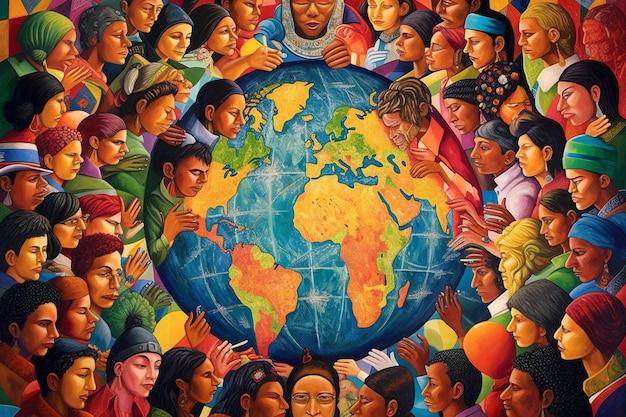
Skills You’ll Learn in the CULP Major
- Understand how power operates within culture to produce identities, relationships, and ways of understanding the world
- Apply theory from history, sociology, anthropology, philosophy, literature, and the performing arts to understand how power operates in each discipline
- Engage with cultural diversity and consider relationships between cultures
- Write clearly and persuasively, and communicate effectively as a speaker
- Create thoughtfully through writing, art, or other means of cultural expression
Alumni Spotlight
What You Can Accomplish
Dana Qarout, Behavioral Scientist
Currently a Manager of Behavioral Economics at PwC, Class of 2015 graduate Dana Qarout built a solid foundation for her career in behavioral science on campus in Qatar. “Some of the best experiences at GU-Q that prepared me for the professional world included writing my honors thesis, which equipped me with high-quality analytical, research, and writing skills, and participating in extracurricular activities,” she said, adding: “Knowing how to navigate office politics, make executive decisions, and reflect leadership in your workplace will stem from your experience as club leaders and active members of the GU-Q community.”