Expert researchers gather for Georgetown Indian Ocean symposium on arts, ideology, identity
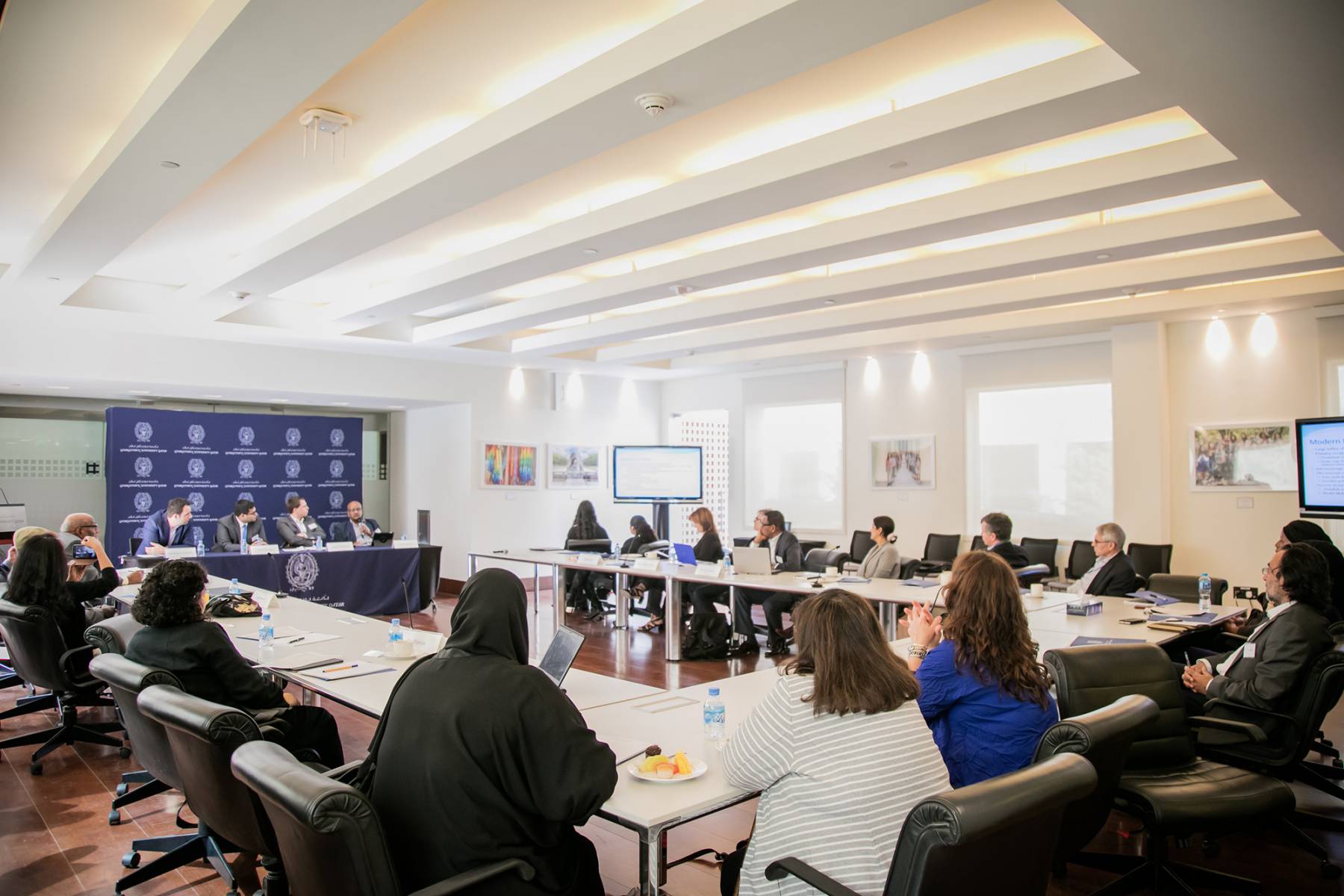
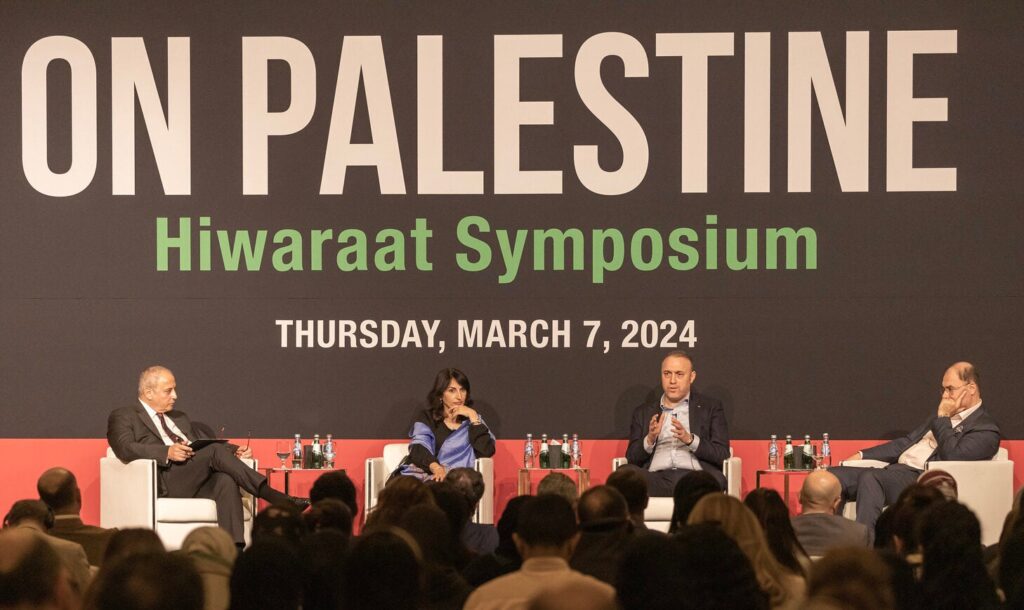
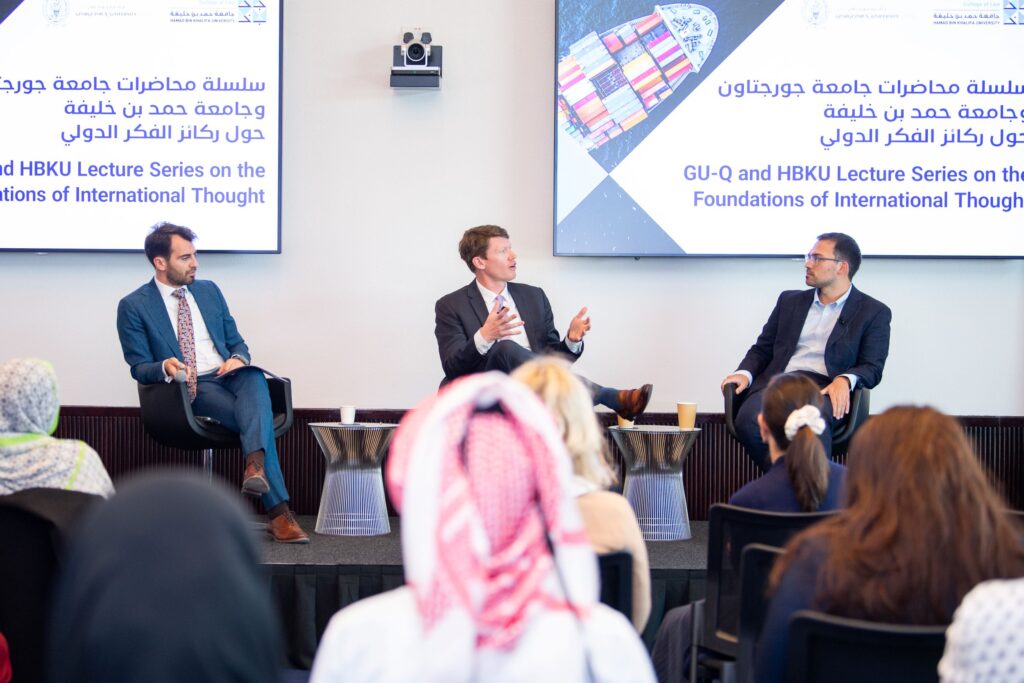
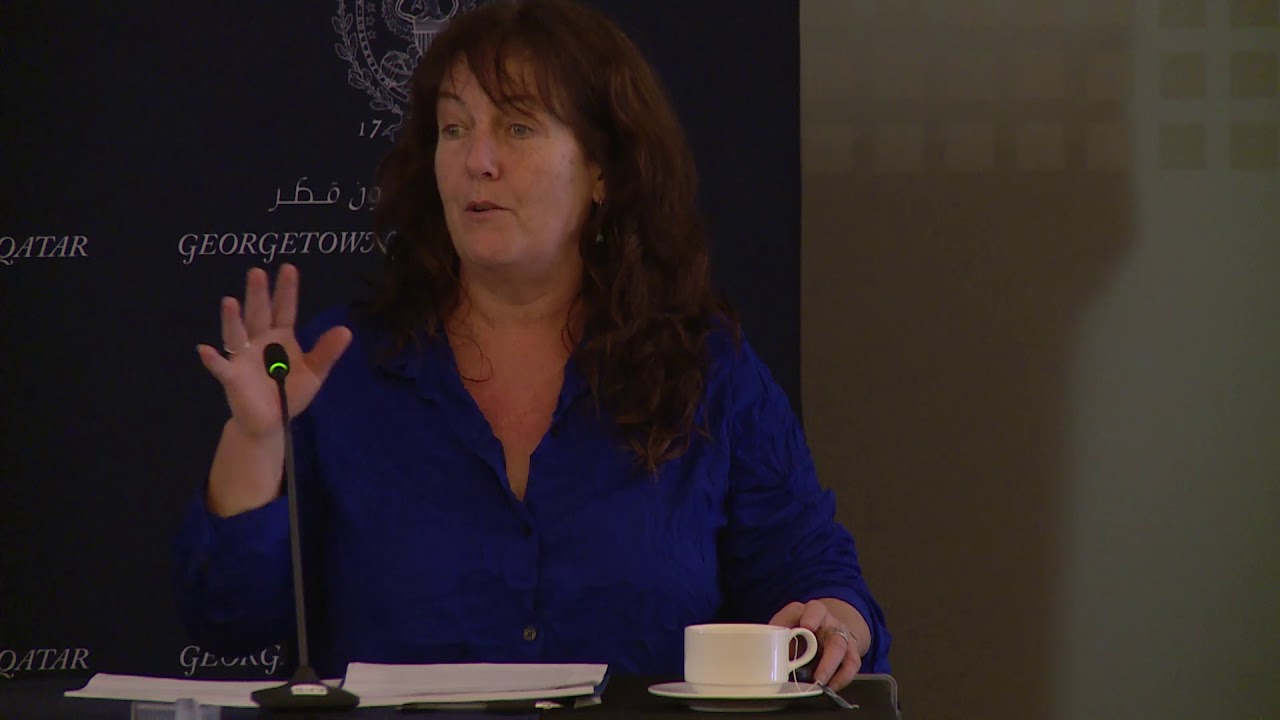
World-class scholars from across the globe gathered to trace the social currents of the Indian Ocean region at a recent event at Georgetown University in Qatar (GU-Q). Hosted by GU-Q’s expert faculty, the symposium aimed to explore arts, ideologies, and identities in this macro-region.
The Indian Ocean is an important area of study, as the diverse region connects the Red Sea to the African continent, the Middle East, the Asian sub-continent, and the Far East. GU-Q’s faculty are driving in-depth study of the region with research that is at the cutting edge of theoretical and ethnographic fields.
“The Indian Ocean has been a theatre of human interaction throughout world history, with extensive challenges arising from retelling this history from the perspective of the sea. It is these very challenges that make the study of the Indian Ocean so fascinating,” said GU-Q Dean Ahmad Dallal. “I hope we here at Georgetown University in Qatar will be able to continue our contribution to this important topic of research.”
From the Horn of Africa to Southeast Asia, the event took a close look at a number of topics related to the countries bordering the Indian Ocean. These included the relations between Arabian and African nations, Russia’s interests in Somalia in the 1970s, and Cold War considerations in Tanzania.
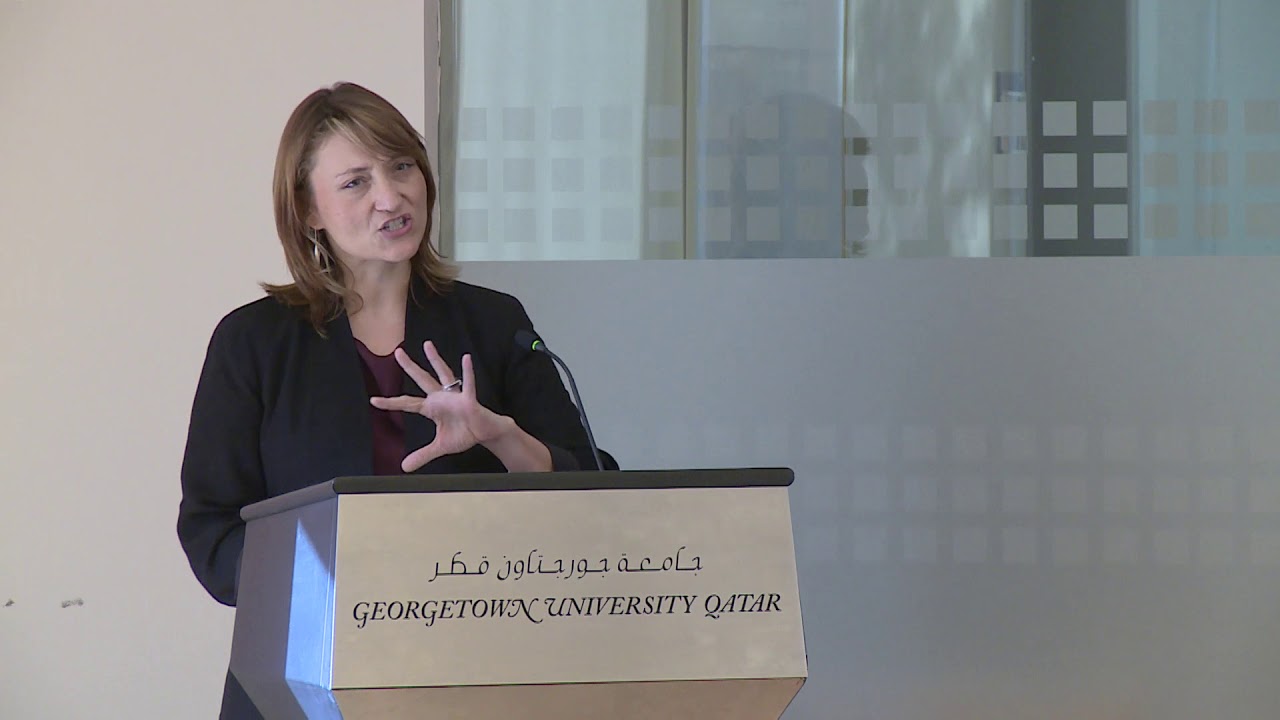
The symposium featured respected scholars from institutions including Columbia University, Cambridge University, the University of Mumbai, and the University of Cape Town, among others. The keynote speech was given by Dr. Prita Meier, assistant professor of African art and architectural history at New York University, who explored the history of photography on the Swahili Coast.
The event is the latest in a series of research initiatives and workshops on the region at GU-Q. It follows from a previous symposium in April 2017, and GU-Q’s annual faculty conference, which was convened under the theme of ‘The Liberal State and its Alternatives in the Indian Ocean World’ in March last year.
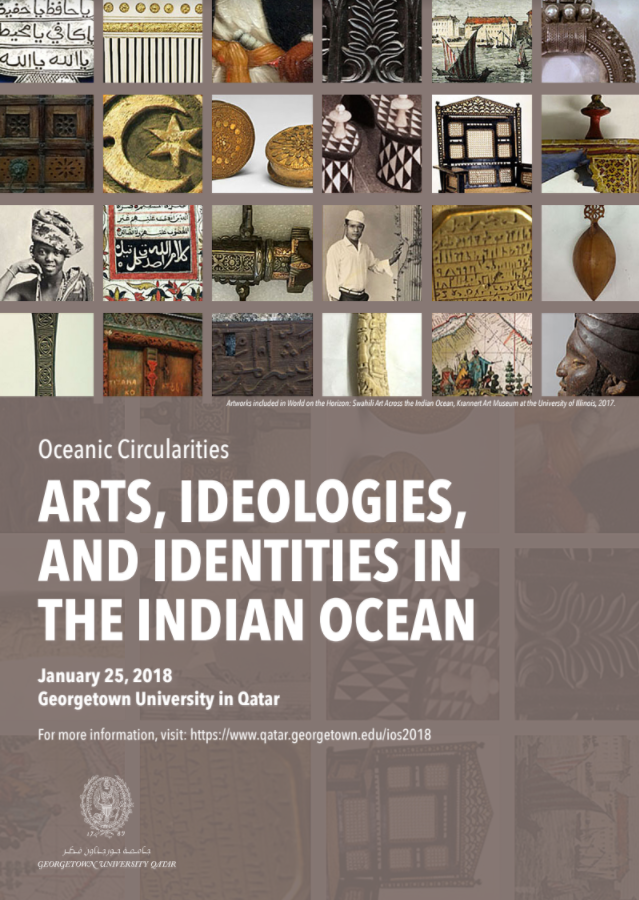
Opening and welcome – Dr. Ahmad Dallal, Dean of Georgetown University in Qatar
Keynote: “The Surface of Things: A History of Photography from the Swahili Coast” – Dr. Prita Meier, New York University
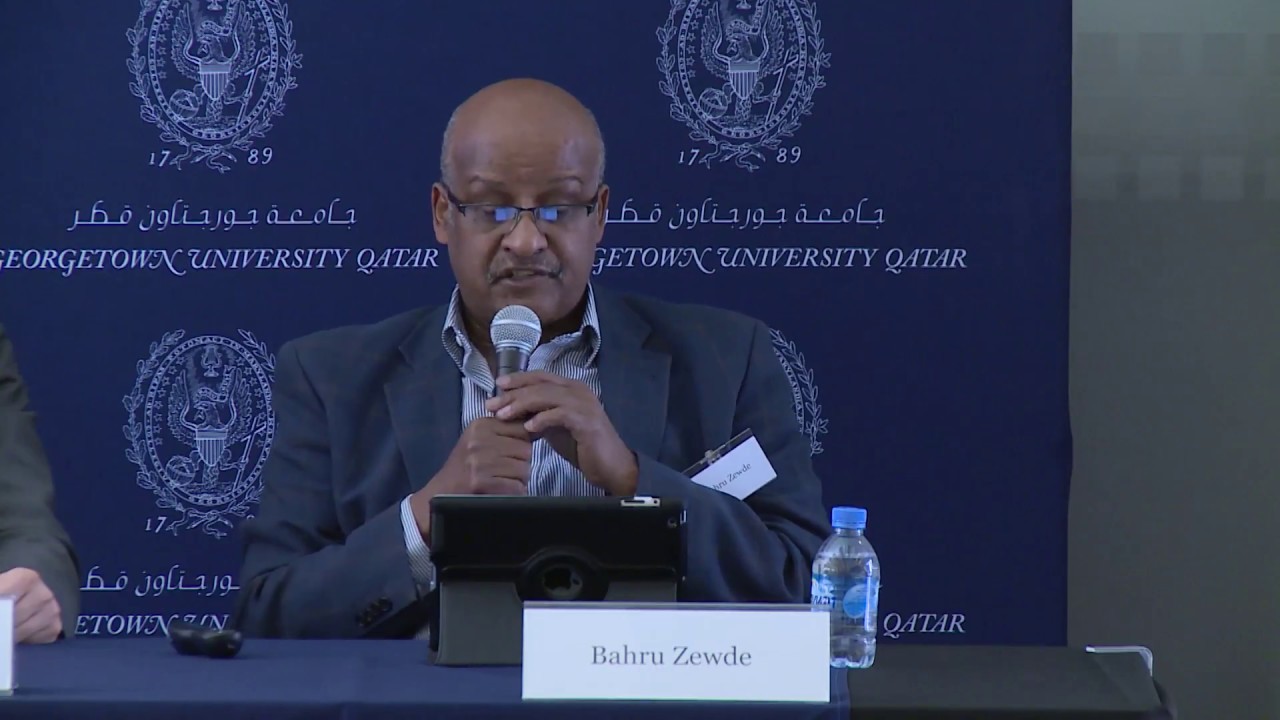
Panel 1: Socialism and Socialist Legacies
“Ethiopia and Yemen: A Tale in Three Acts”– Dr. Bahru Zewde, Addis Ababa University
“Exposed Spies, Conspiring Sheikhs and Flying Cattle: Conflating Socialism, Superpower Interests and Somali Segmentary Society in the 1970s” – Dr. Radoslav Yordanov, Columbia University
“Rural Modernities: Comparing Socialisms and Postsocialisms in China, India, and Tanzania” – Dr. Uday Chandra, Georgetown University in Qatar
“The Party and the Gun: African Liberation, Asian Comrades and Socialist Political Technologies” – Dr. Harry Verhoeven, Georgetown University in Qatar
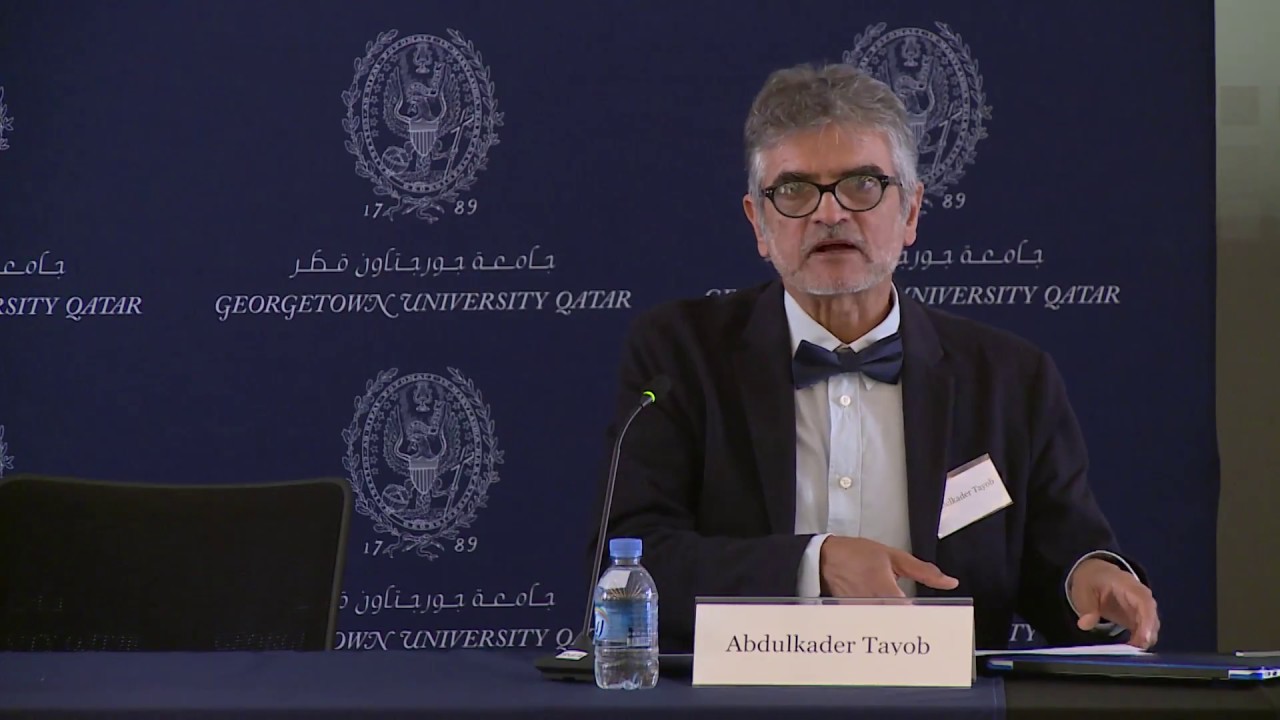
Panel 2: Modernity and Islam
“Religion as Discourse: Conversion and Commitment to Jihad in South Africa” – Dr. Abdulkader Tayob, University of Cape Town
“Itineraries of Islam: Law, Constitutionalism, and Translation across Asia” – Dr. Iza Hussin, Cambridge University
“Body, Worker, Object: The Radical Feminist Aesthetics of Mahashweta Devi’s Breast Stories” – Dr. Paromita Chakrabarti, University of Mumbai
Panel 3: Arts and Architecture
“Indian Films in East Africa Theaters: Circuits of Distribution and Community Engagement” – Dr. Laura Fair, Michigan State University
“Cold War Realties, Postcolonial Fantasies in Tanzania” – Dr. Abdullahi Ibrahim, University of Missouri
“Slavery, Oil, and Abolition in Qatar in the Late 1940s and Early 1950s” – Dr. Ahmad Sikainga, Ohio State University
“Samhani: Narrating Justice and Clemency in Zanzibar” – Abdel Aziz Baraka Sakin, Independent Writer
“Reading of Arab Perceptions of the Indian Ocean: The Kingdom of Women” – Abdallah Al Bashir, University of Khartoum
Filed under