- Desert Hoya
Contemplation in Action: My Summer Research on the Rohingya Community
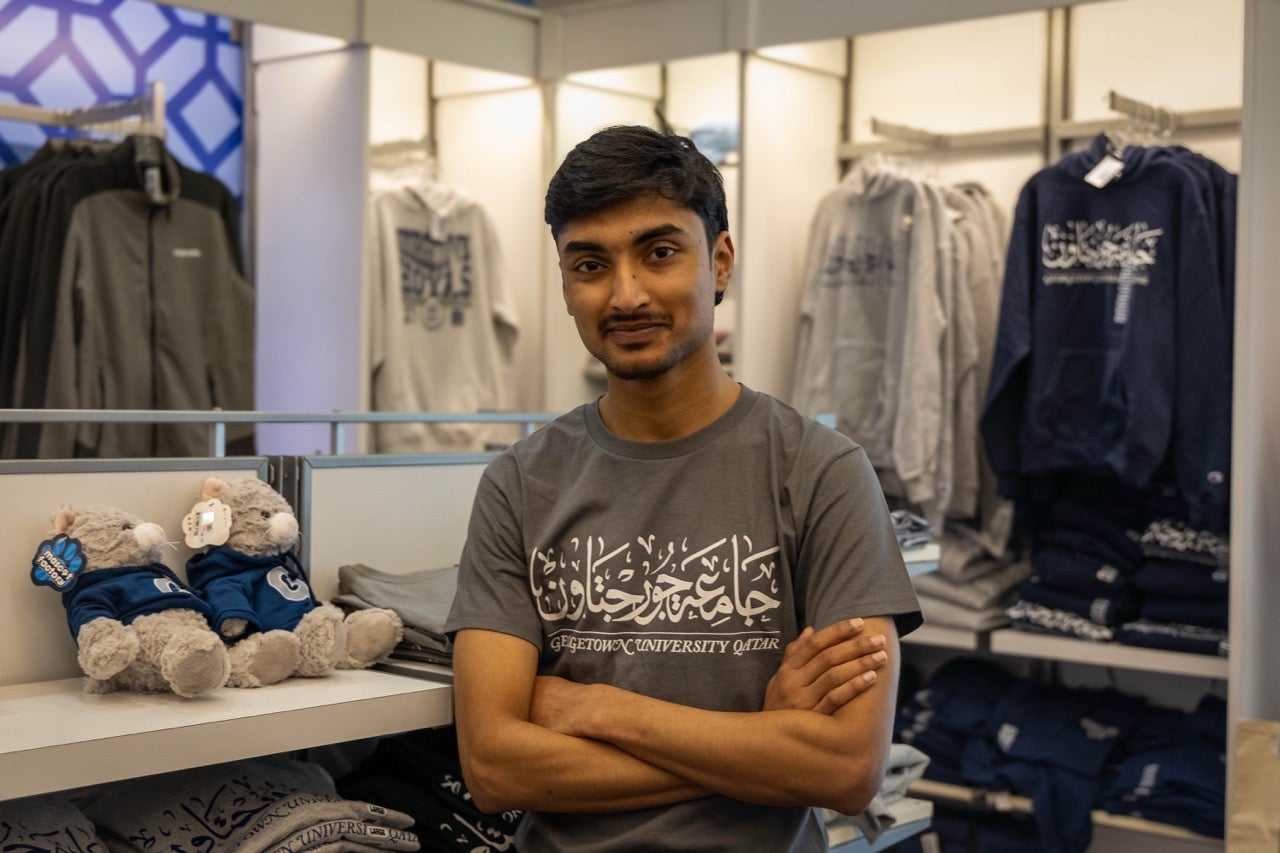
Sazid Hasan is a second year student at Georgetown University in Qatar.
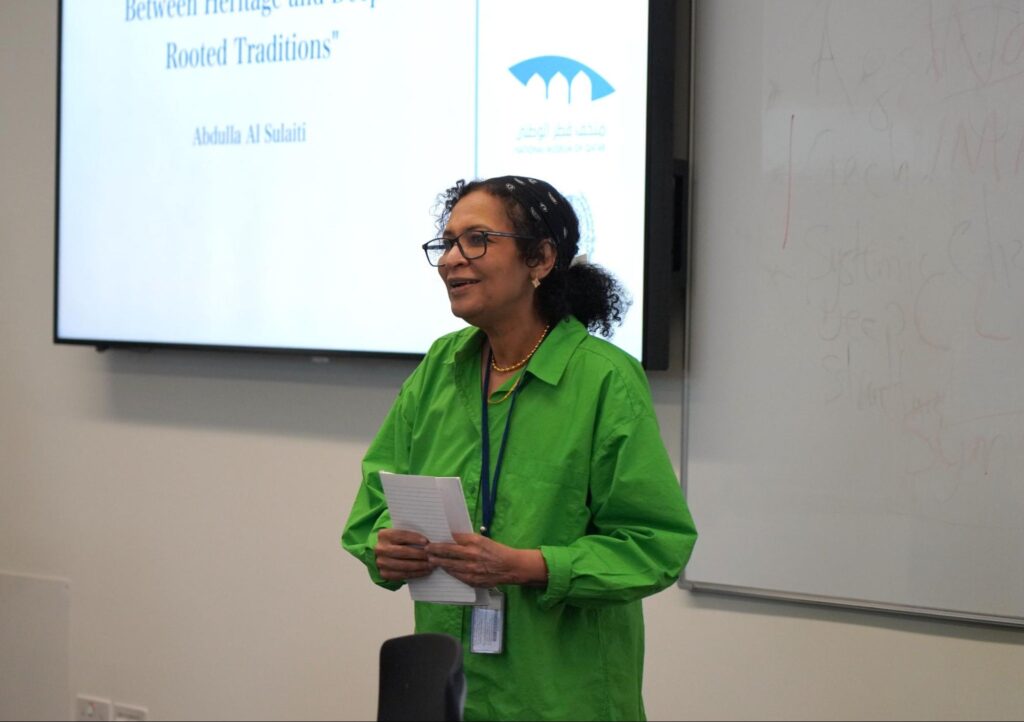
Every first year student at GU-Q takes a Pro Seminar course in their fall semester, which is designed to ease the transition from high school into the college academic setting. I took mine with Professor Rogaia Abusharaf, who introduced us to Anthropology and its foundational question: what does it mean to be human? The class alternated between her lectures and student-led presentations, and it was during one of those presentations that the discussion left my thoughts unsettled and questioned the entire point of being human.
I had chosen to present on ethnic cleansing, and my presentation was on the Rohingya. As I walked through the images of my presentation, I saw the burning villages of Rakhine State, the overcrowded boats, the shelters of Cox’s Bazar and a single thought arrived: the only reason I was standing in this classroom in Doha, and not in a refugee camp across a border, was geography. I was born 300 kilometers from Rakhine State. That was it. The realization was quietly devastating, and it set me on a path of further questions I have not stopped asking since. Questions about power, politics, and religion that nation-states inflict on the people they refuse to recognize as their own.
More than a million Rohingya Muslims currently live in the Ukhiya Refugee Camp in Cox’s Bazar, Bangladesh – the largest refugee settlement in the world. Since 1978, waves of Rohingya have fled Myanmar with little more than what they could carry. The most devastating exodus came in 2017, when a military crackdown drove over seven hundred thousand people across the border in weeks. Bangladesh received them as Forcibly Displaced Myanmar Nationals. They have no citizenship, no recognized legal status, and no clear path home in the near future.
My co-researcher, Mohtasim, a friend and a fellow GU-Q student from Bangladesh initially approached this crisis through the lens of culture and identity. The approximately 385,000 Rohingya children in Cox’s Bazar are almost solely reliant on NGOs for education, delivered through thousands of Temporary Learning Centers. Our first question was whether the curriculum inside these centers was slowly eroding Rohingya identity – replacing it with Bangladeshi cultural markers through language, content, and curriculum. It felt like an important question. Art, beauty, culture – these things preserve a people’s sense of existence. During the literature review, we then looked at what was actually being taught.
The Government of Bangladesh-approved curriculum caps Rohingya children’s education at roughly class five or six, equivalent to the Bangladeshi National curriculum.We also found that if a child were ever to return home, their years of learning might not be formally recognized anywhere, due to the lack of coherence of the curriculum with the Myanmar national standard.
That is when our research question changed. Culture and identity felt distant, and we wanted to ask: What is the economic value of this education? We wanted to ask about the monetary value of their education. A Bangladeshi child educated under the NCTB curriculum can access free government schooling up to university, and compete for opportunities in the formal economy. Whereas a Rohingya child reaches Level IV of the government-proposed curriculum and stops. There is no university pathway.
Honestly, our question did not emerge from library research, Instagram reels, or a social media trend. It emerged from the specific shape of a Georgetown education. If I were to choose my classes, I would never consider Introduction to Anthropology. Georgetown gave us mentors who pushed us to ask not just what is happening, but who benefits and who doesn’t. Moreover, through its internal research grant, it allowed us to pursue the question seriously. Georgetown’s cura personalis – care for the whole person – means that a first year’s unease during a presentation about ethnic cleansing is not left at the well-decorated classroom. The support in place to pursue academic interests such as research outside the classroom makes this the best place to be as a student.
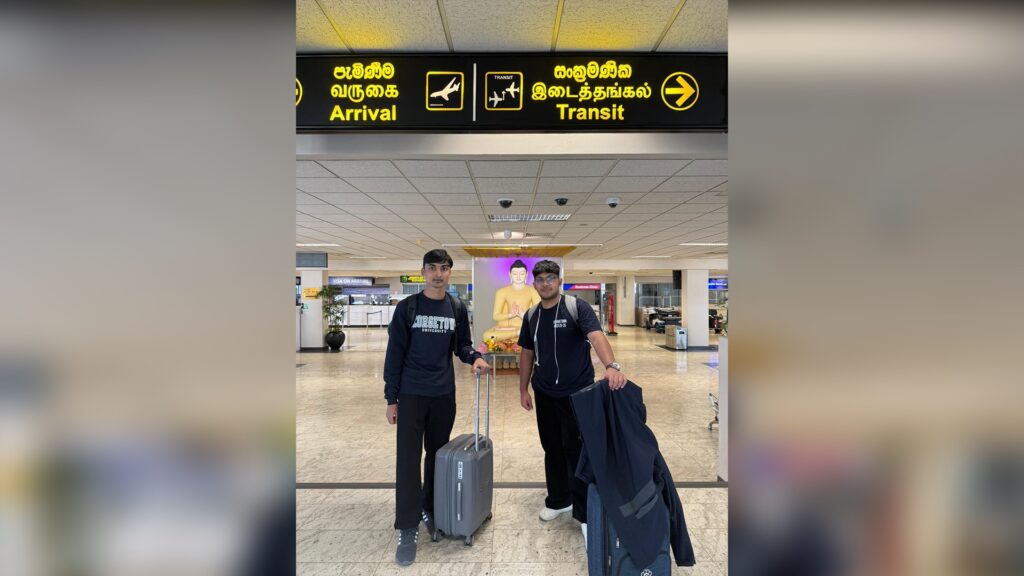
Mohtasim and I headed to Ukhiya Refugee Camp this summer for a month with that question in hand. We are not the first to study Rohingya education. But we may be among the first to ask it in purely economic terms in education, and we aim to treat the aspirations of these children as a demand for an honest answer.
As I reflect on this process, I am drawn to Georgetown’s value of contemplation in action, which calls us to listen and reflect in ways that guide our actions and choices – a process that, in many ways, mirrors the heart of economics itself: understanding how people make choices and how those choices shape human outcomes.
The posts and comments on this blog are the views and opinions of the author(s). Posts and comments are the sole responsibility of the authors. They do not represent the views, opinions or policies of the University.
Explore more of Desert Hoya
Things Jack and I Learnt in Italy During Study Abroad
Sama Alissa is a senior majoring in Culture and Politics. During my study abroad semester in the Villa Le Balze, I was accompanied by little Jack the Bulldog. Jack…
What Georgetown Taught Me to See: A Museum is Not What I Thought
Sazid Hasan is a second year student at Georgetown University in Qatar. I have always liked museums. However, looking back on my first year at GU-Q, I now feel…