The unseen world of student workers
By Daphne Soriano
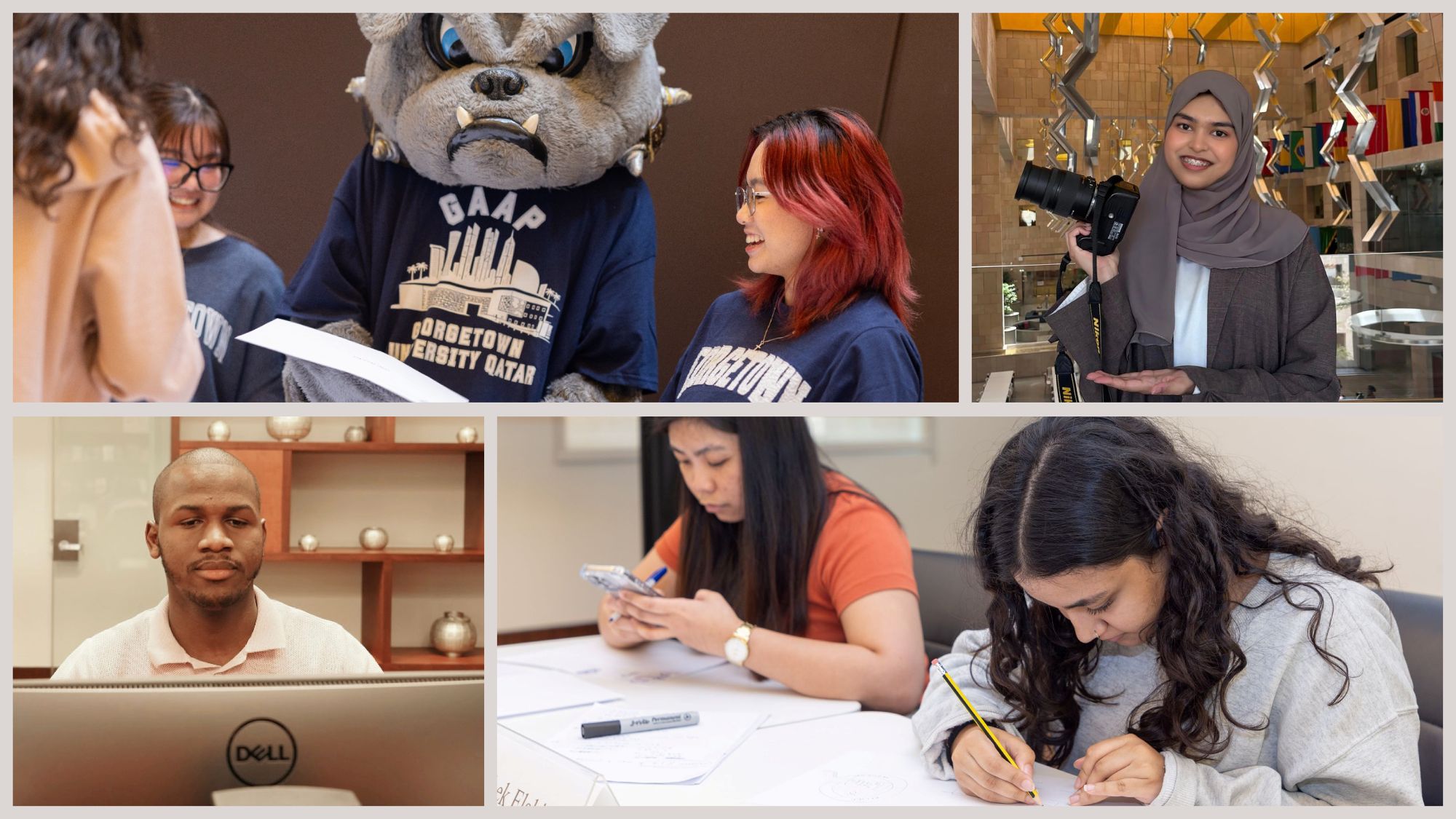
When students come to Georgetown University in Qatar (GU-Q), it’s usually to head to classes and study. But for a select group of students, they also come to campus to clock in to work. Between lectures and assignments, they take on roles that help the university run smoothly, and in doing so, they gain professional experience that most undergraduates won’t find until years later.
Personal development
Mehek Elahi (GU-Q ’28) didn’t start out as a student worker at the Center for International and Regional Studies (CIRS). She started as an audience member.
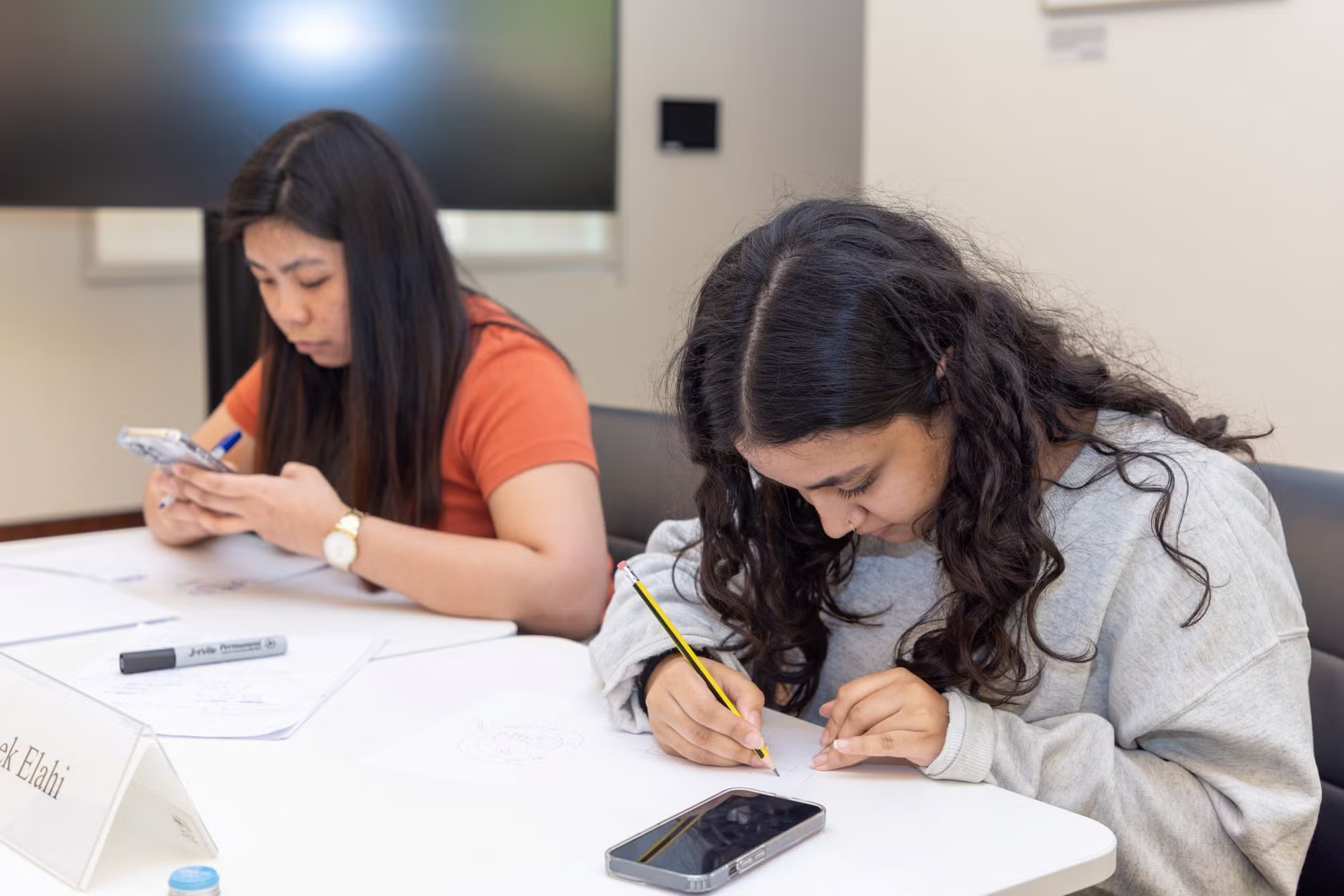
“I used to attend a lot of CIRS events like their Beyond the Headlines and lunchtime panels, and it really drew me towards the department’s work,” she said. “I wanted to be more involved with what the center does.”
Mehek Elahi (GU-Q’28) at a CURA Research Workshop
That interest led to a student assistant position and an unusual level of access for an undergraduate. Mehek now helps the institute with research and publications, work that many don’t experience until they reach the graduate level. From time to time, she also gets to attend events and working groups as a notetaker. “It’s a really fun and great way to learn from experts,” she shared.
Beyond her campus role, she’s applying those skills to her own research. This summer in Pakistan, she’s studying domestic workers and how maternal health outcomes are linked to informal labor, a project made possible by what she’s learned on the job.
“Your campus job gives you a lot of experience depending on what department you work for,” she said. “With CIRS in particular, I’ve really developed my research and publication skills, which exposes me to the opportunities my degree offers.”
Shaping student life
While some roles are rooted in research, others shape how the university presents itself to the world. In the Office of Admissions, Gwyneth Estomo (GU-Q ’27) works as a marketing and communications student assistant. From her first year, she has developed multimedia content, supported Admissions events, and assisted with logistical tasks for the Desert Hoya Storytellers blog, helping it grow as a program from the inside.
The growth has been visible. “My favorite thing about my job is witnessing Desert Hoya grow both as a program and as an Instagram account,” she shared. “When I started in my freshman year, we only had five storytellers and a few interactions on our account. Today, our most recent cohort involved over 15 students.”
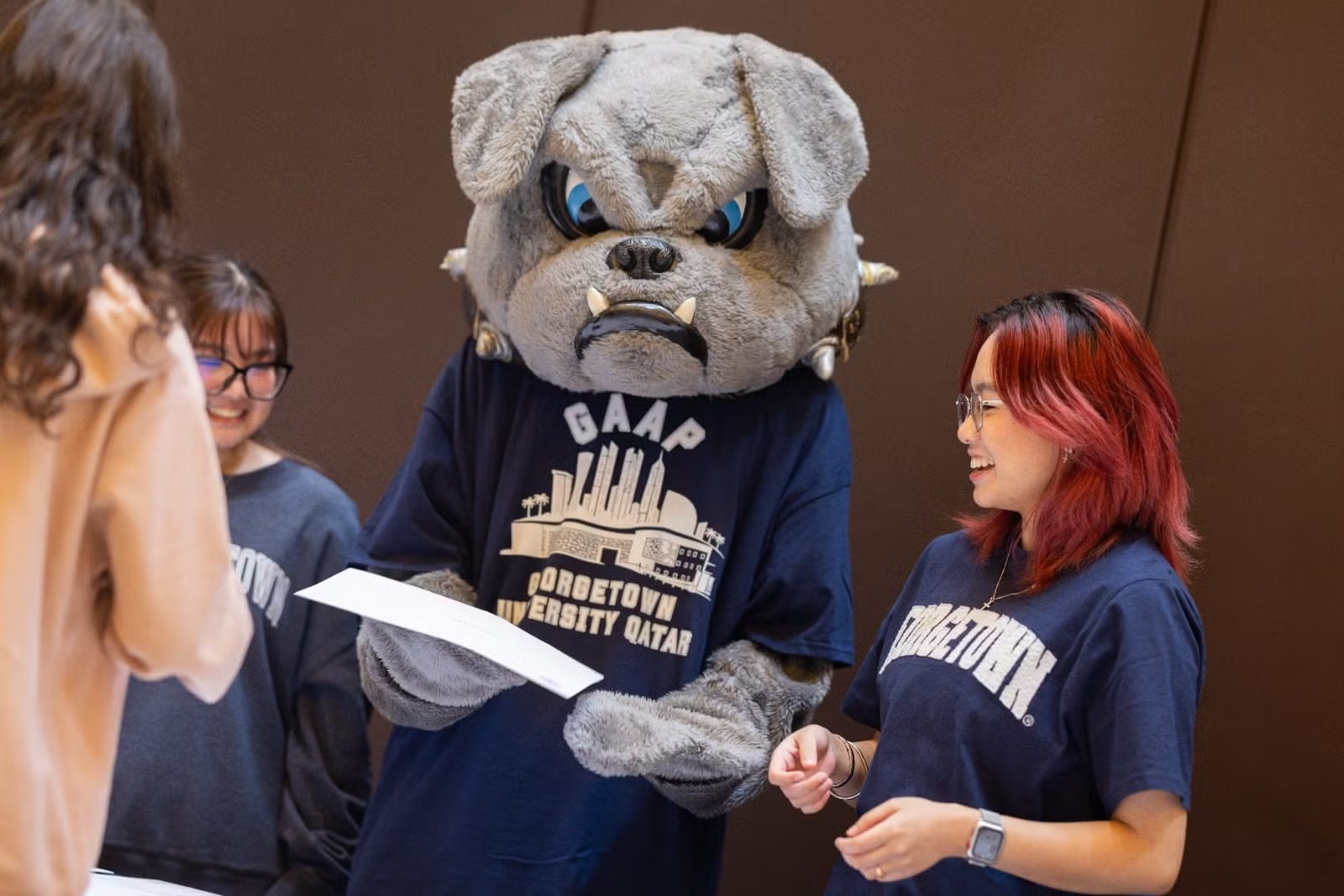
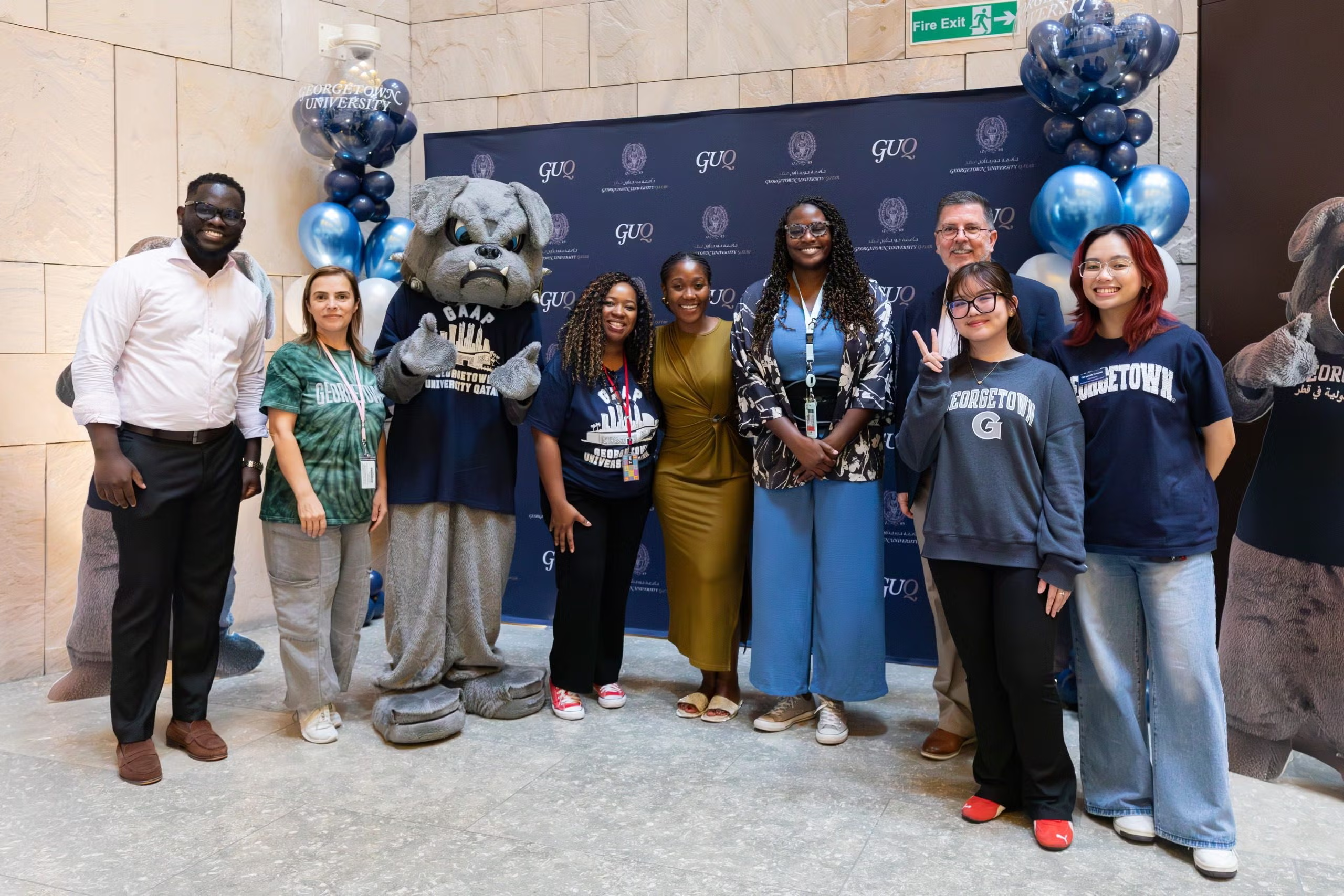
Gwyneth Estomo (GU-Q’27) and the Admissions team during a Hoyas Pick-up and Connect event
That reach has extended beyond the screen. “I’ve had GU-Q community members and prospective students come up to me and recognise the work we do for Desert Hoya. It’s an honor to have this kind of reach and to share pieces of the GU-Q community to others.”
Across campus, student workers are not just supporting departments, they are helping define the student experience itself.
The library is one of the busiest places on campus. It’s where students study for finals, conduct research, and collaborate on projects. But amid this hustle and bustle is a culture built by a team dedicated to supporting the GU-Q community.
That collaborative energy is what drew Thierno Balde (GU-Q ’28) to become a circulation services assistant, a role he connects to his interest in research and his desire for public service. “I wanted to become more involved in the Georgetown community,” he said, “and I’m doing it while gaining practical experience and developing professional skills.”
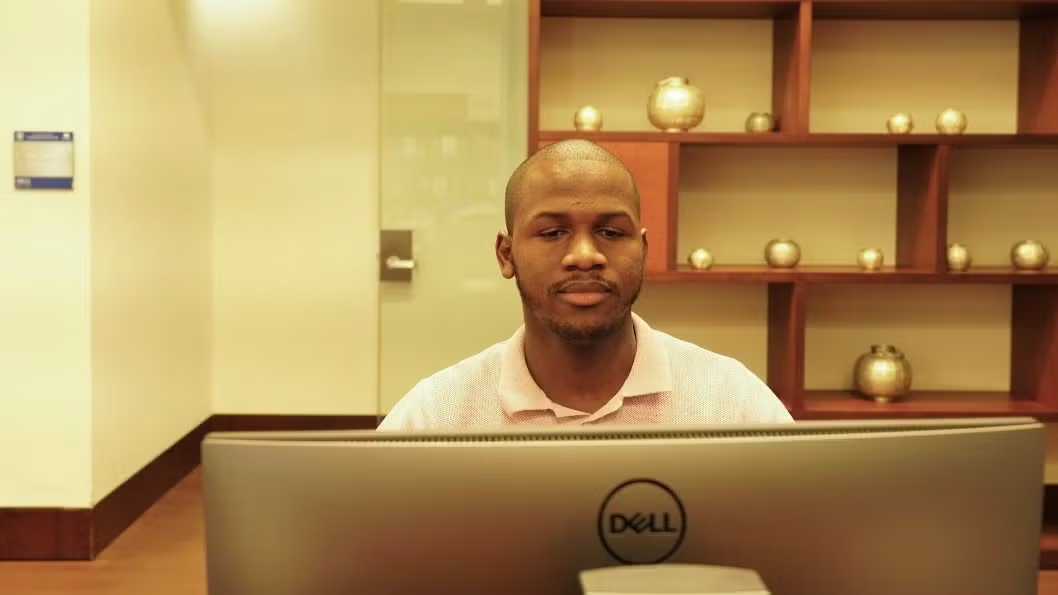
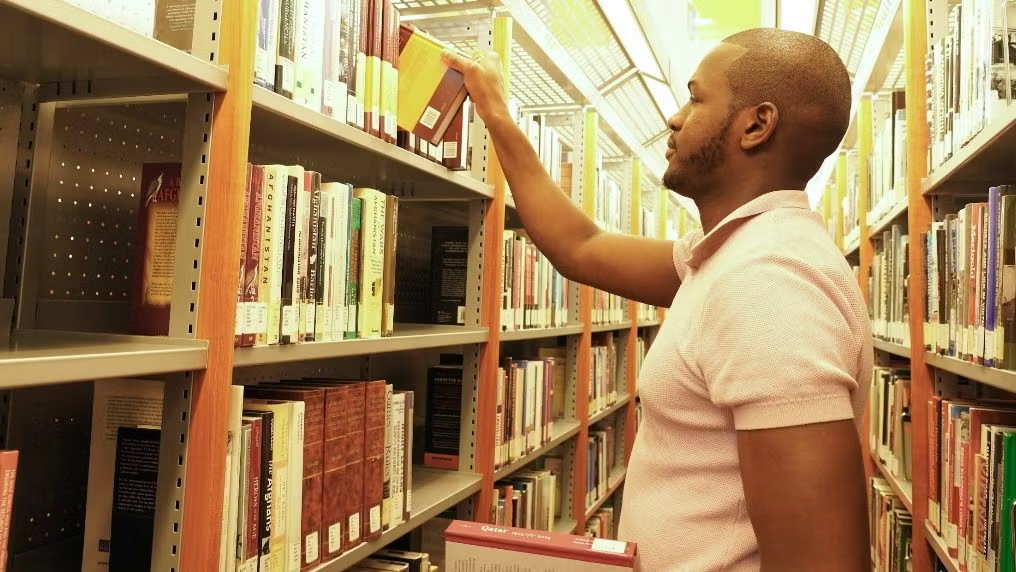
Thierno Balde (GU-Q’28) during his shifts in the library, where he assists people and supports daily operations
Professional development opportunities
Working for each department has its own benefits. For Kenzy Ebrahim (GU-Q ’28), a student assistant in the External Relations Department, it looks like a new and exciting shift each day. One day she could be giving tours to guests such as ambassadors and industry leaders, the next, doing research on alumni and external partners.
“Since no two days are exactly the same, the work remains both challenging and rewarding,” she said. “What I enjoy most about my job is the opportunity to interact with people from outside the university and learn from their experiences.”
Taken together, these roles show the range of opportunities available to student workers and how each position offers a different kind of learning.
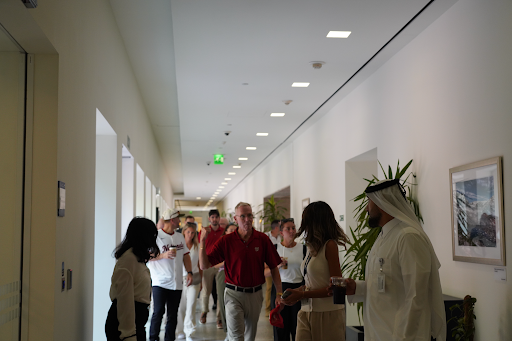
External Relations staff and student workers leading a campus tour to guests
Balancing a campus job alongside coursework, extracurricular activities, and personal commitments is no easy task, yet student workers manage their various responsibilities by finding roles that intersect with their interests and passions, making work feel like an extension of activities they already enjoy.
For Radiyah Ahmed (GU-Q ’28), a student assistant with the Office of Communications, that intersection is creativity. “My favorite part of the job is definitely the creativity involved,” she said. “Even in a professional setting, there’s so much room to explore different forms of media.”
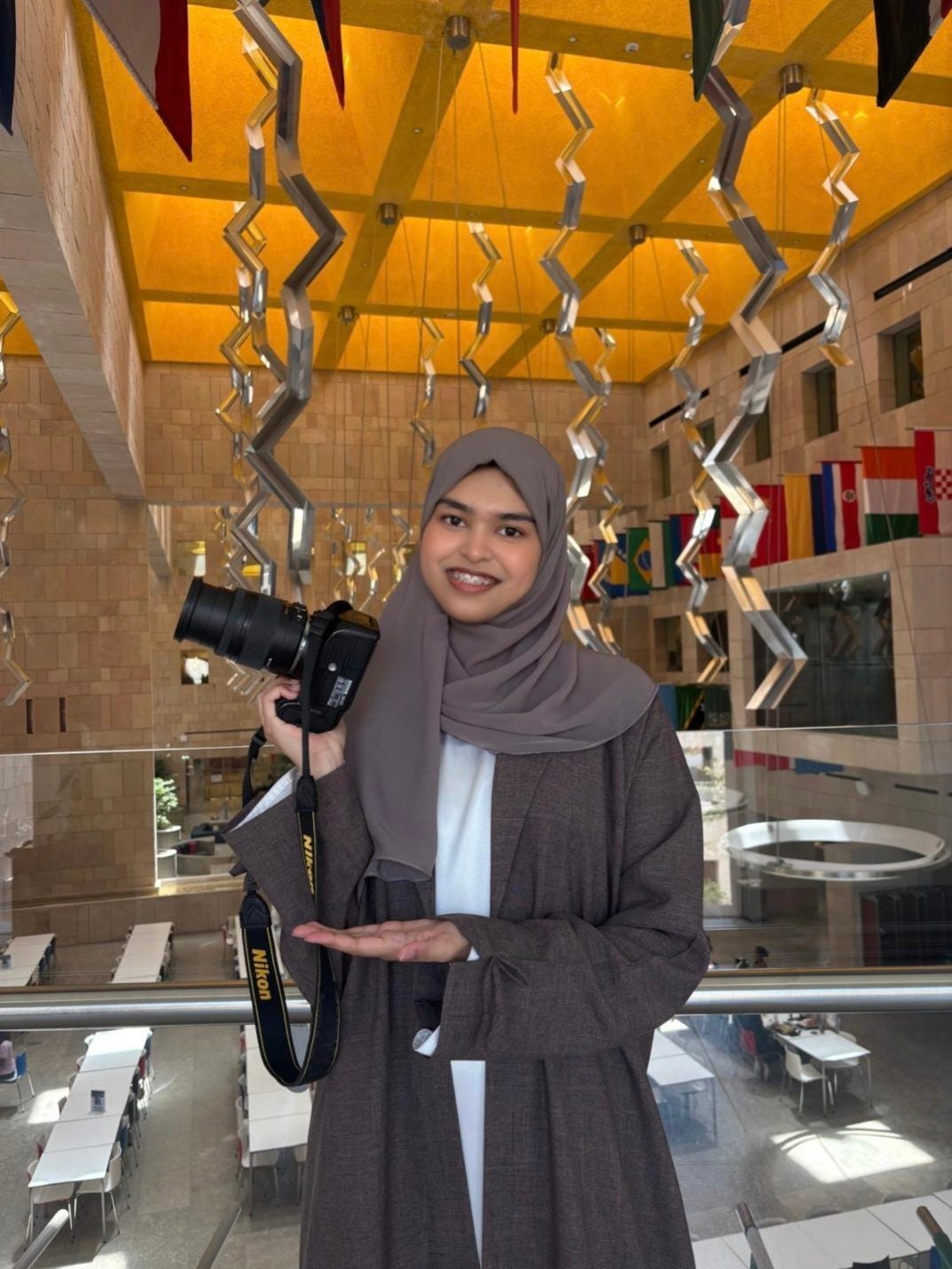
Radiyah Ahmed (GU-Q’28)
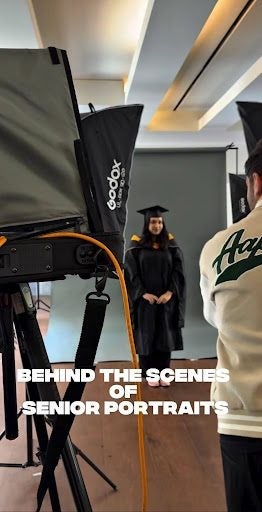
Her work spans a variety of formats: graphic design, social media content, interviews, videos, articles, and digital storytelling. She also has practical advice for students considering a campus job of their own. “Keep a calendar and communicate clearly with your employer,” she said. “It’s also important to set boundaries and make sure academics stay your main priority while working.”
In the end, these roles are more than just campus jobs. They are early entry points into the kind of work students hope to pursue long after graduation. In classrooms, they learn the theory. At work, they begin to put it into practice, building skills, confidence, and a clearer sense of where they are headed.
Filed under