A region is more than its headlines: Preserving the history of the Afghanistan-Pakistan frontier
When you look at headlines about Afghanistan and Pakistan over the past few weeks, you’ll find coverage of the fifth anniversary of the U.S. evacuation from Afghanistan and the Taliban’s return to power, the hospitalization of Pakistan’s former Prime Minister Imran Khan and ongoing bombings and military attacks along the Afghanistan-Pakistan frontier.
What you won’t find as often is the history behind the headlines: the region’s intellectual and spiritual traditions, its cultural richness and the agency of the people who have lived there for generations.
That is where Dr. Waleed Ziad, who was recently promoted to full Professor of International History at Georgetown University in Qatar, comes in.
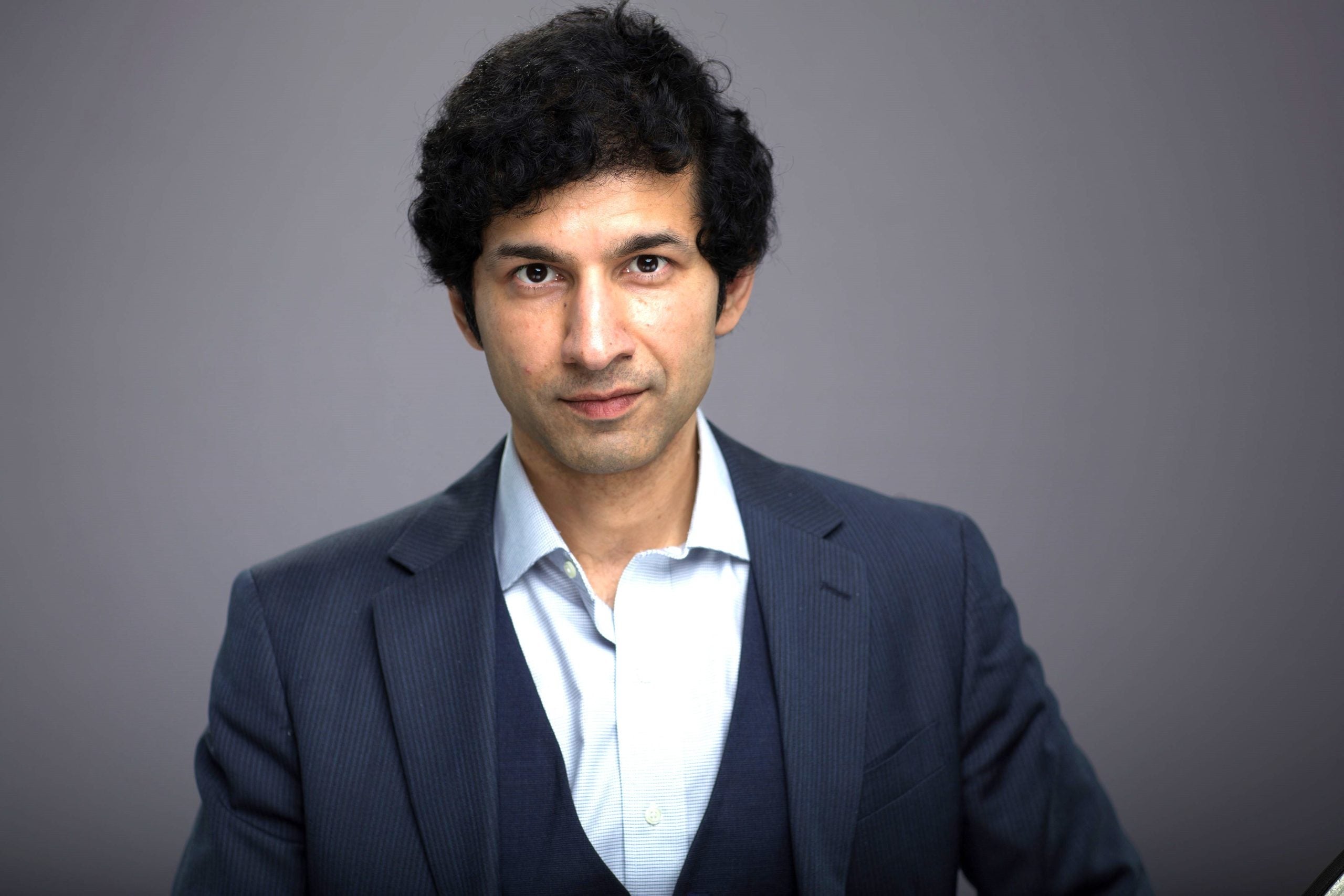
“For decades, the Afghan-Pakistan border has been defined in global media by narratives of extremism and political turmoil,” said Dr. Ziad. “My research seeks to dismantle these reductive portrayals by illuminating the region’s long-standing role as an intellectual and spiritual center.”
For the past five years, Ziad has worked to preserve that history. As principal investigator of the “Endangered Archives from Sufi Shrines of the Afghan-Pakistan Frontier” project, he has led an international research effort to preserve hundreds of manuscripts, books, property records, letters and photographs that were previously difficult or impossible for researchers to access.
The collection, recently made available online through the UCLA Library’s Modern Endangered Archive Program (MEAP), includes materials from private libraries in Peshawar, North Waziristan and Malakand, spanning the late 19th to 21st centuries.
“For 98 percent of its history, the Afghanistan-Pakistan border has been a crossroads of civilization,” Ziad explained in a research feature published by the UNC Center for Middle East and Islamic Studies. “It is a place where multiple languages have coalesced and through which a significant part of the Silk Road trade has passed.”
The archive helps tell that story. Across thousands of pages, you’ll find biographies, poetry and writings on metaphysics, law and healing in Persian, Pashto, Arabic and Urdu. Together, the materials offer a glimpse into the region’s rich religious and cultural life and challenge the idea that its history can be reduced to conflict and political instability.
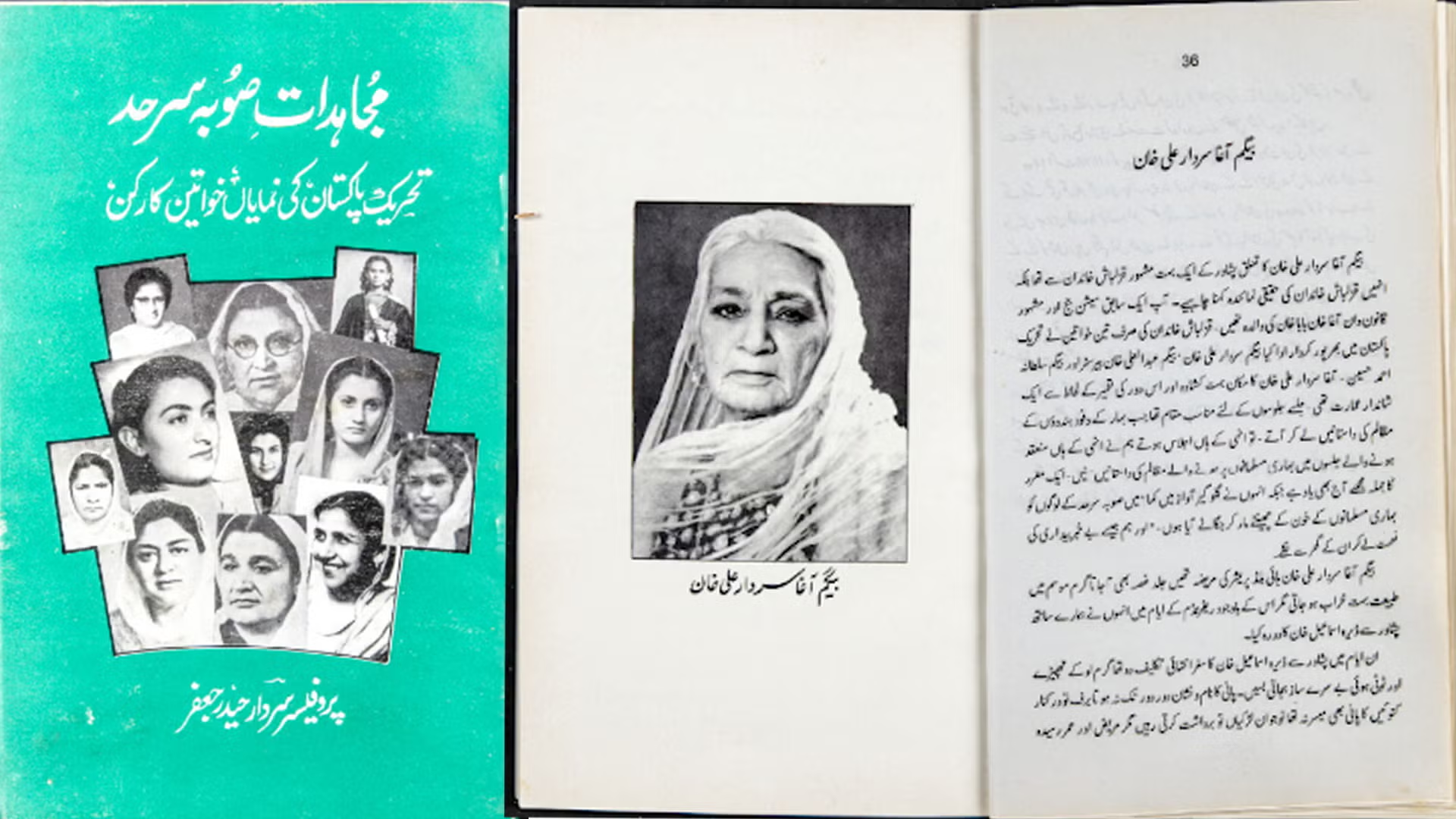
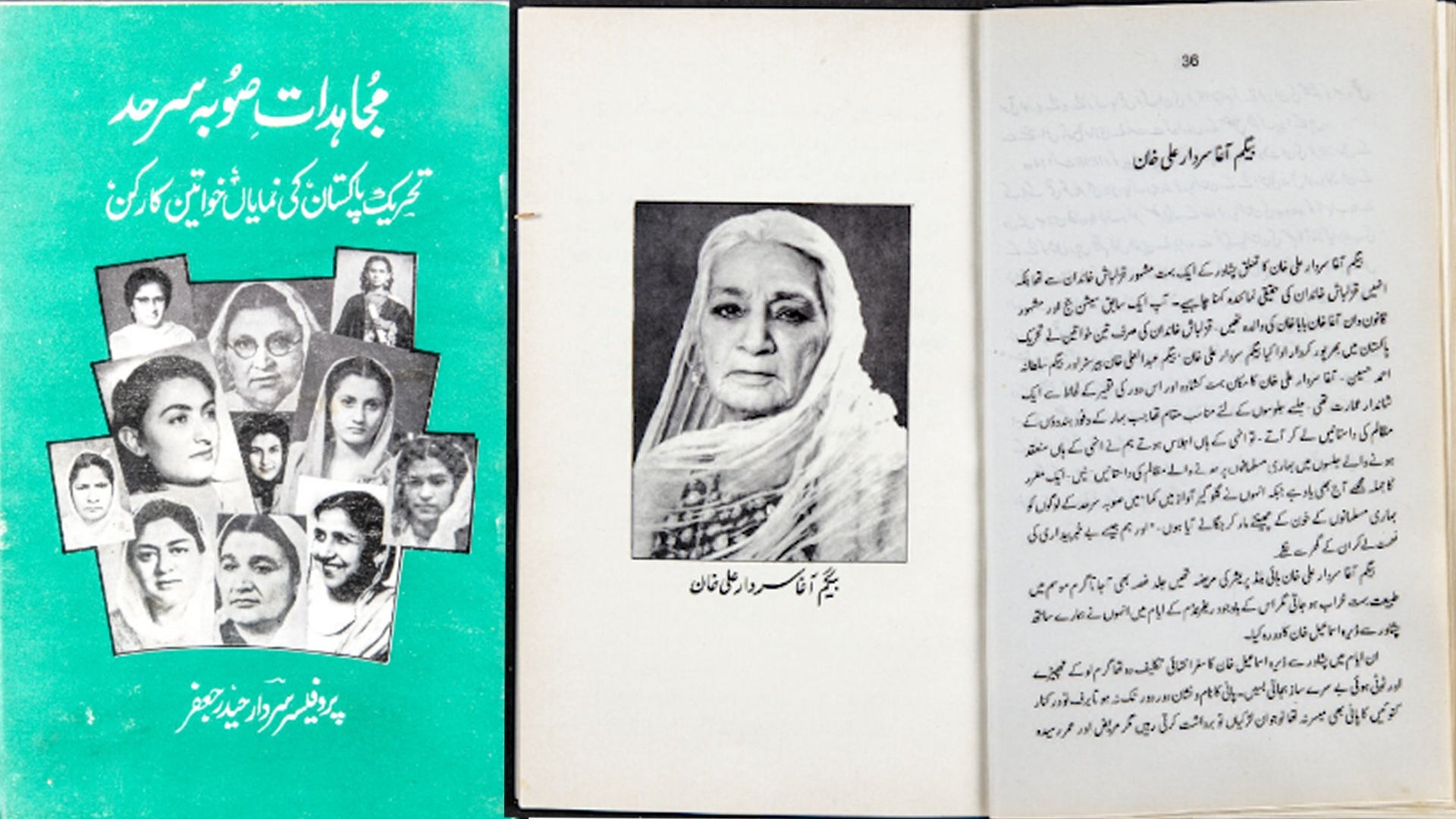
Among the documents Ziad is drawing on for his upcoming book is a rare 1996 booklet, The Struggles of the Frontier Province, documenting the lives and contributions of 29 women from what was then known as the North-West Frontier Province. Their stories shed light on women’s political, social and religious roles in the region and inform Ziad’s forthcoming book on women’s religious leadership in Afghanistan and Pakistan over the past 250 years.
Preserving these stories was not simply a matter of collecting old documents and moving them somewhere safer. Ziad and his team wanted to make sure the communities that had cared for these materials remained their custodians. That is why the project uses what is known as a “post-custodial” approach.
Instead of removing historical materials from their communities, the team worked with local librarians, graduate students and archive custodians to digitize them on-site. The original materials remain where they belong, while digital copies make them available to researchers around the world.
The project has also created a network of local historians and archive workers who have gained the tools and technical knowledge to continue preserving their own collections. For Ziad, that local connection matters.
“It is critical for the people who live along the Afghan-Pakistan border to know that their history is not one of lawlessness, ignorance and intolerance,” Ziad stated in a project release detailing the ethical foundations of the initiative. “They are inheriting a legacy of religious and cultural diversity which cannot be erased by a few decades of political turmoil.”
The archive is also shaping his own scholarship. He has begun work on a biography of Hazrat Abdullah Jan Farooqi (d. 2006), an influential Sufi master, Islamic scholar and leader who played a pivotal role in the religious and intellectual landscape of Pakistan and Afghanistan.
Farooqi’s personal library, articles, letters, poetry and private notes are among the materials preserved in the digitized collection. He was one of the last great intellectual and spiritual leaders of the Afghanistan-Pakistan borderlands: a powerful voice against extremism and civil strife, and an early advocate of women’s education.
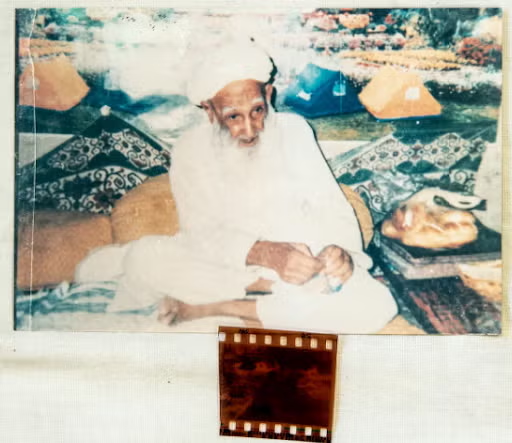
Photograph of ʿAbdullah Jan Farooqi
For this work, Ziad is collaborating with Farooqi’s descendants and followers, as well as local historians.
“His life story,” he explains, “has the potential to significantly alter our perception of a region dubbed by President Obama as ‘the most dangerous place in the world,’ and provide an indigenous narrative of a place represented by outsiders as a security problem for the last 150 years.”
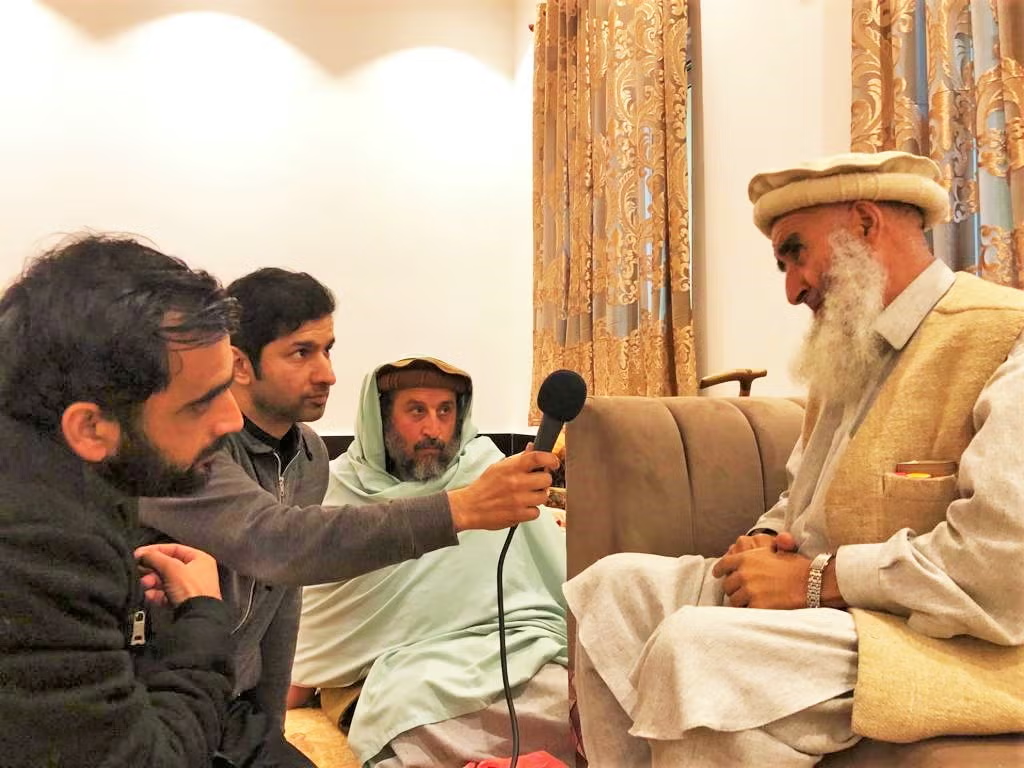
Dr. Ziad interviewing the companion of Hazrat ‘Abdullah Jan Farooqi, scholar-shaykh of North Waziristan, at Thana, Malakand
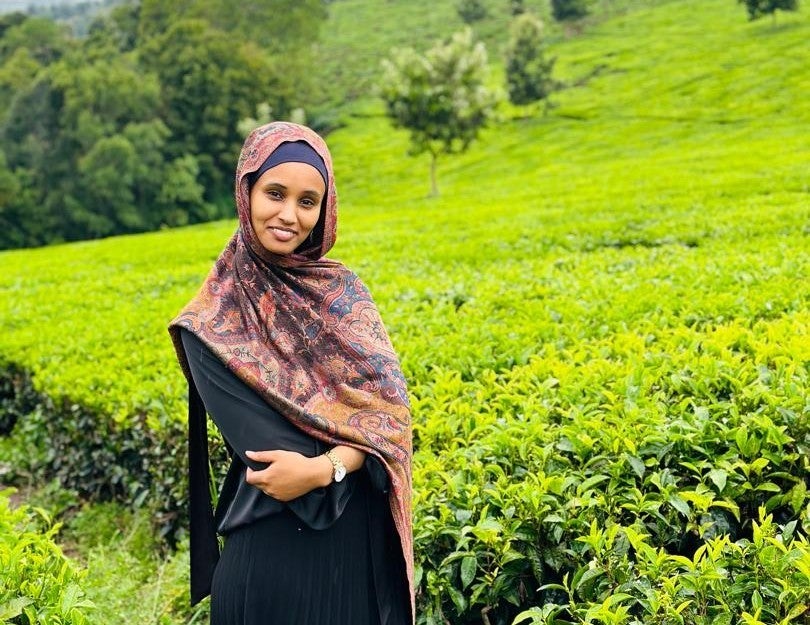
The archive is already generating new scholarship beyond Ziad’s own work. Two student theses at the University of Malakand and UNC-Chapel Hill have been completed using rare materials from the collection. Lead archivist Nazia Akram has also produced an exhibition of artwork inspired by images from the archive.
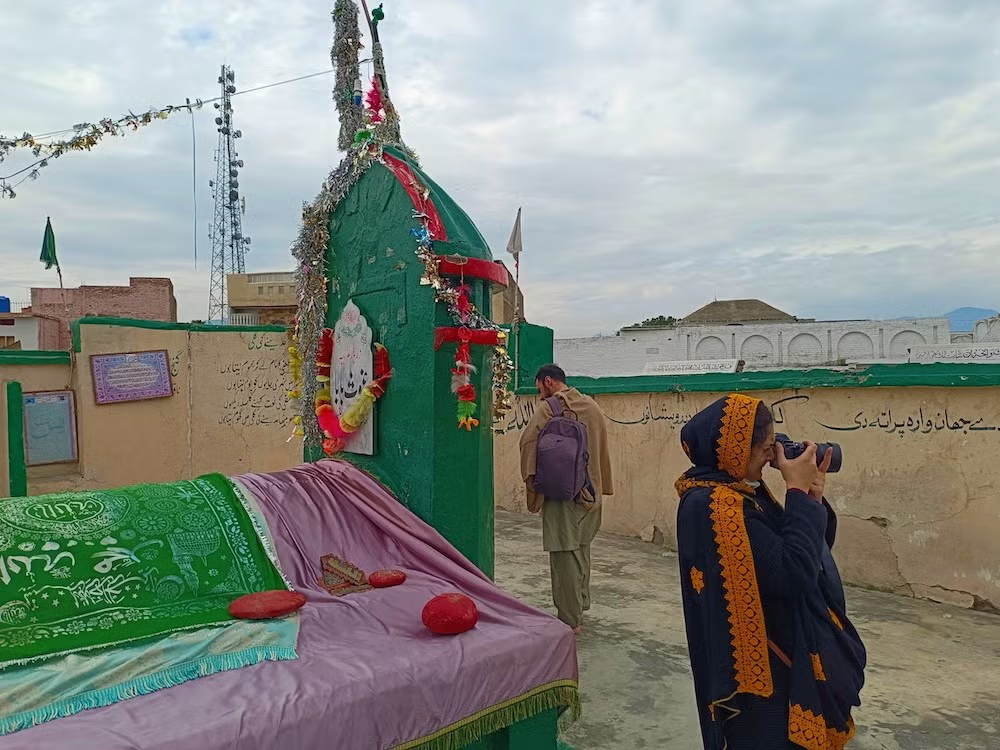
Technical lead Nazia Akram documenting a historical cemetery in Thana, Malakand.
Ziad’s work offers a reminder that history is not just something found in textbooks or museums. It can be found in family collections, forgotten booklets and manuscripts preserved for generations. And it can change the way we understand places that are often reduced to the latest headline.
Filed under