The Laidlaw Scholars program allows GU-Q students to study cinema in Nigeria, peacekeeping in South Sudan, climate change in Kenya, and more
When one asks Georgetown University in Qatar students what they are doing over the summer, the answers are often more compelling than those of many other college students.
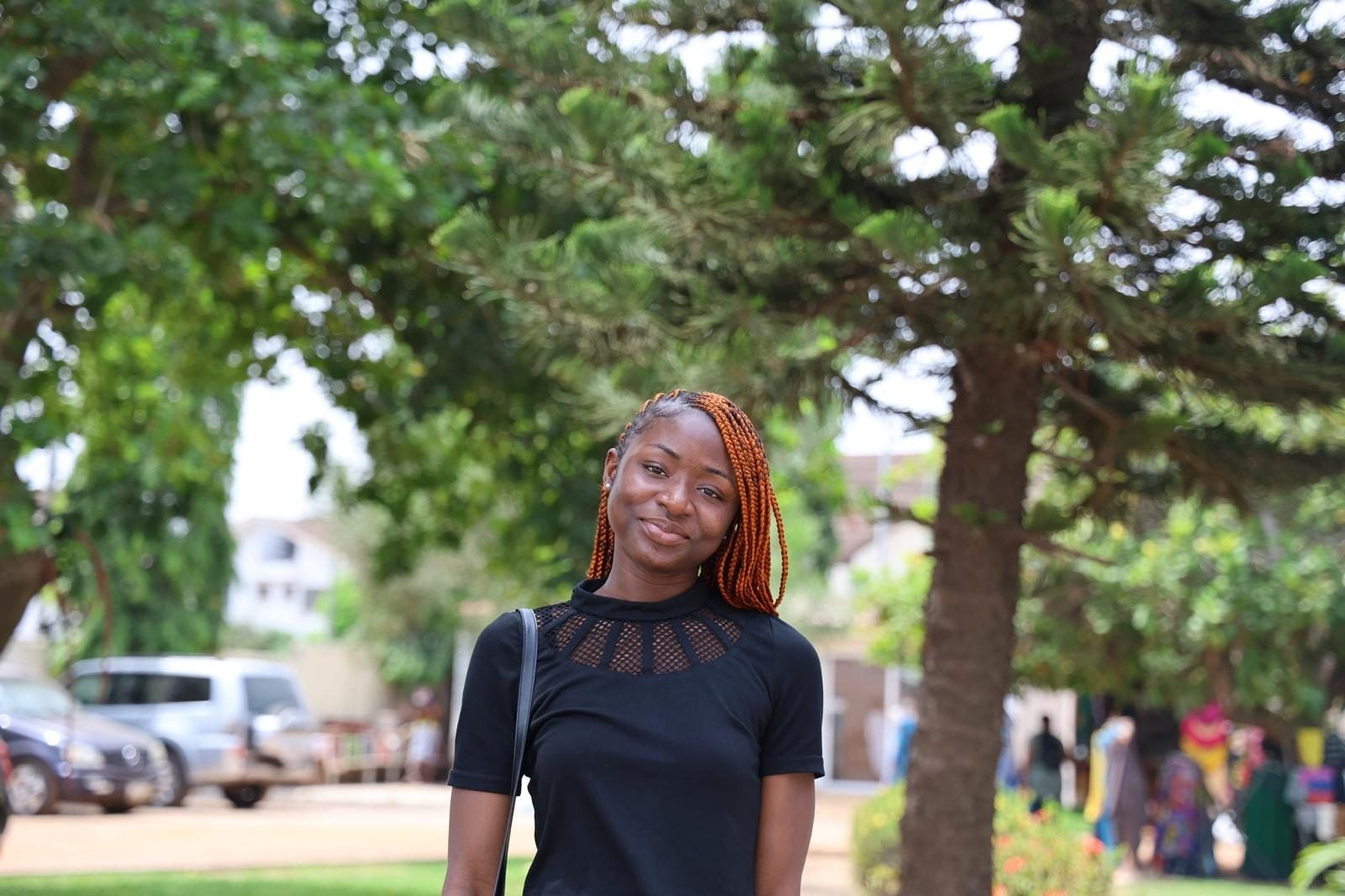
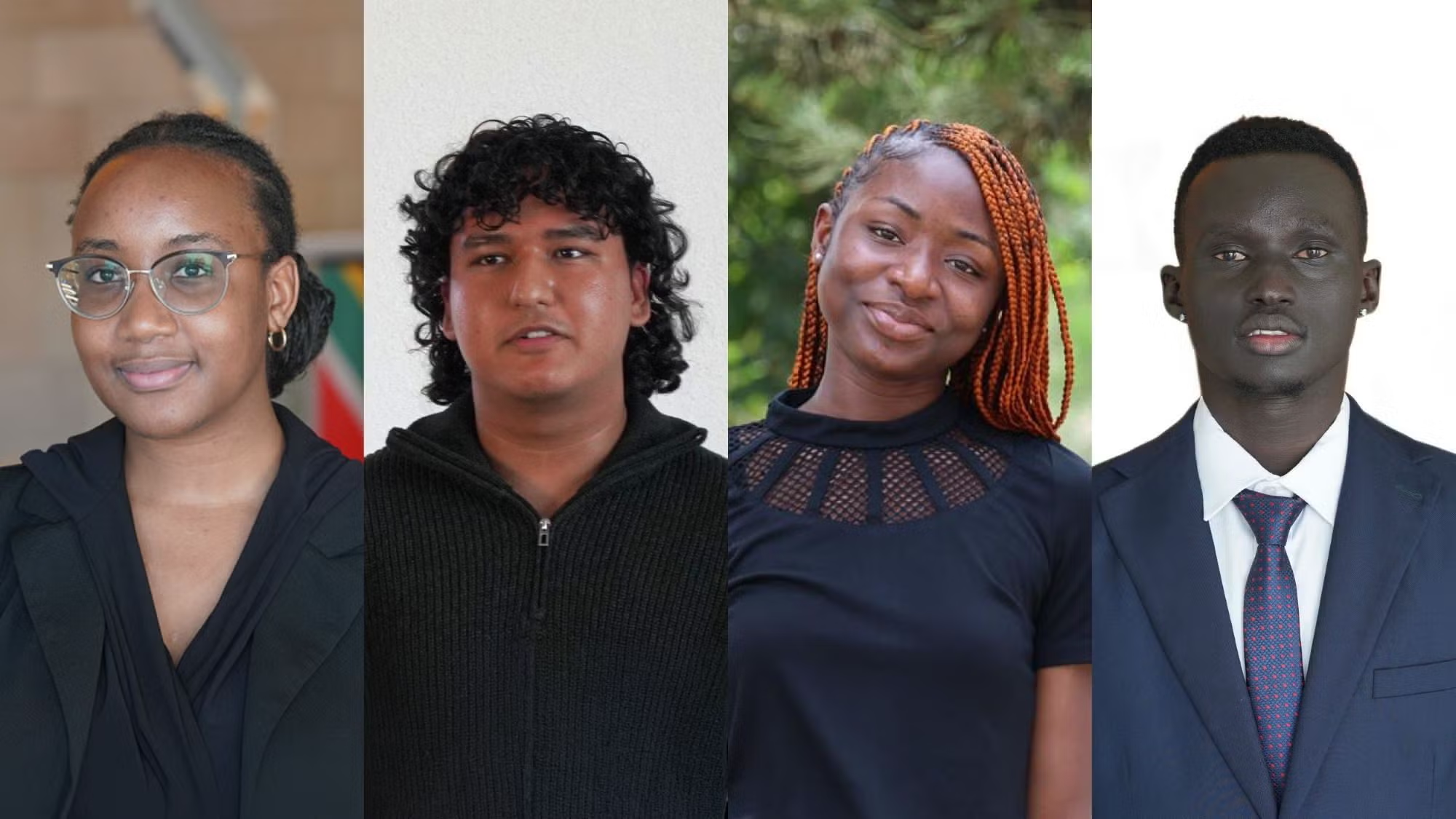
Take Itiafa Ayeni (GU-Q ’29), for example. She is returning to her native Nigeria to research the formative years of its film industry, Nollywood — the second-largest film industry in the world.
“I’ll be interviewing 12 Nigerian women who watched or contributed to ‘Y2K’ Nollywood to understand how it influenced their approach to civic, social, and political issues,” she said. Her approach to this research was shaped by Professor Phoebe Musandu’s Oral History and African Women course.
In South Sudan, Maghai Ghak (GU-Q ’28) is studying U.N. Mission field office closures and what these withdrawals mean for security in local communities. Having grown up in overcrowded and under-resourced displacement camps since the start of the civil war in 2013, he has seen how often security and safety are reduced to metrics in reports and disconnected from lived experience.
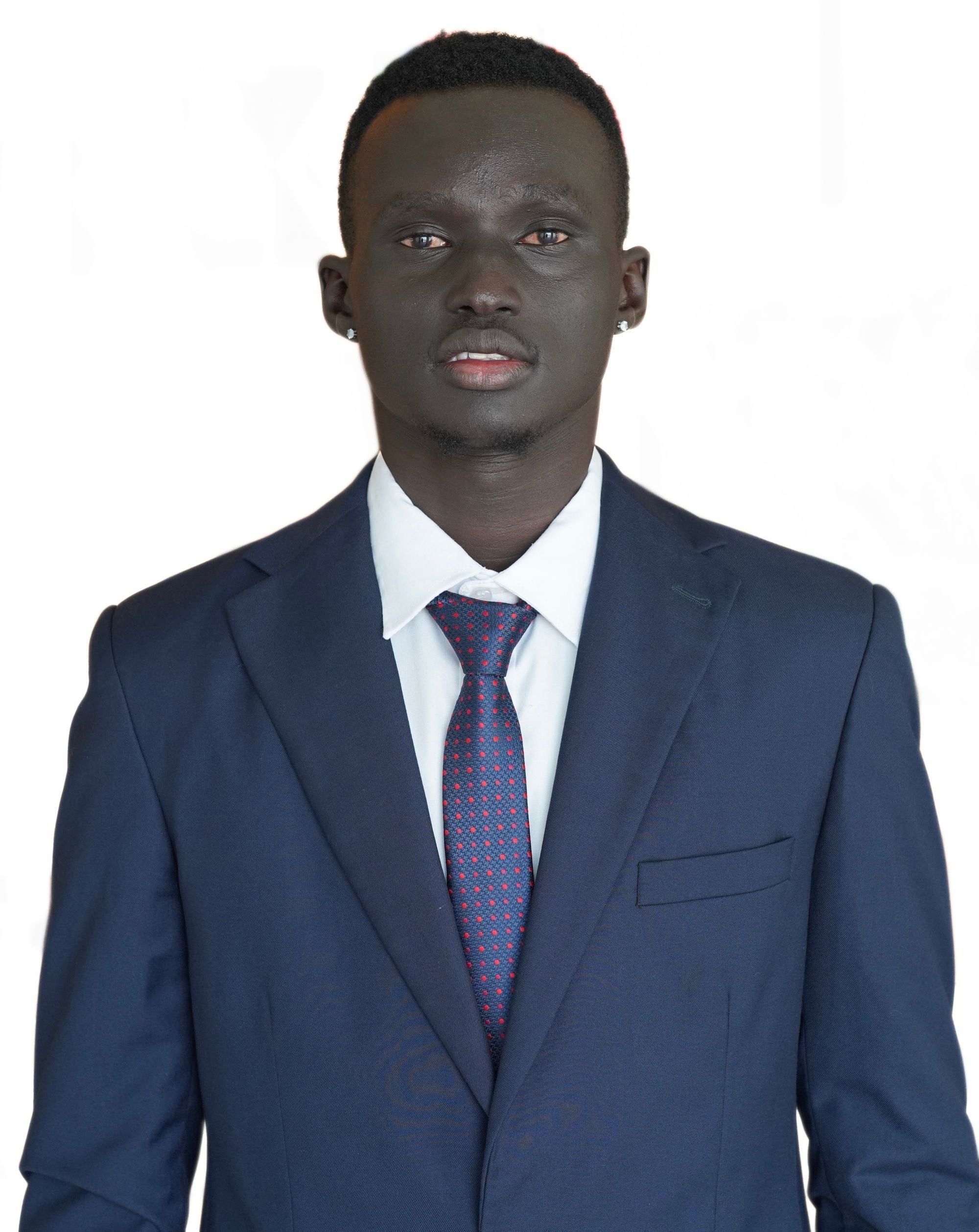
“The presence or absence of humanitarian and peacekeeping institutions shapes the daily lives of civilians who have to decide whether it is safe to send a child to school, travel to the market, or trust that someone will respond when insecurity returns,” he said.
Under the mentorship of Professor Lynda Iroulo, he aims to study how these peacekeeping decisions are made, and identify where he can make a difference.
Their work is part of a broader Laidlaw Scholars cohort that connects deep research with leadership development through the Laidlaw Foundation, a global nonprofit organization that invests in education to break cycles of poverty, reduce inequality, and cultivate a diverse generation of ethical leaders.
More broadly, the program pairs independent research with real-world leadership placements, sending students across the globe to pursue questions that begin in the classroom and are tested in the field—one phase grounded in research, and another in applied leadership.
Since 2023, eight GU-Q students have joined this selective cohort, and this summer the newest class heads into the field.
Alongside Maghai and Itiafa, International Economics student Leslie Nzavi (GU-Q ’28) will study how climate change affects people in Kenya—socially, economically, and emotionally—working with Washington, D.C. campus faculty member Professor Emily Mendenhall.
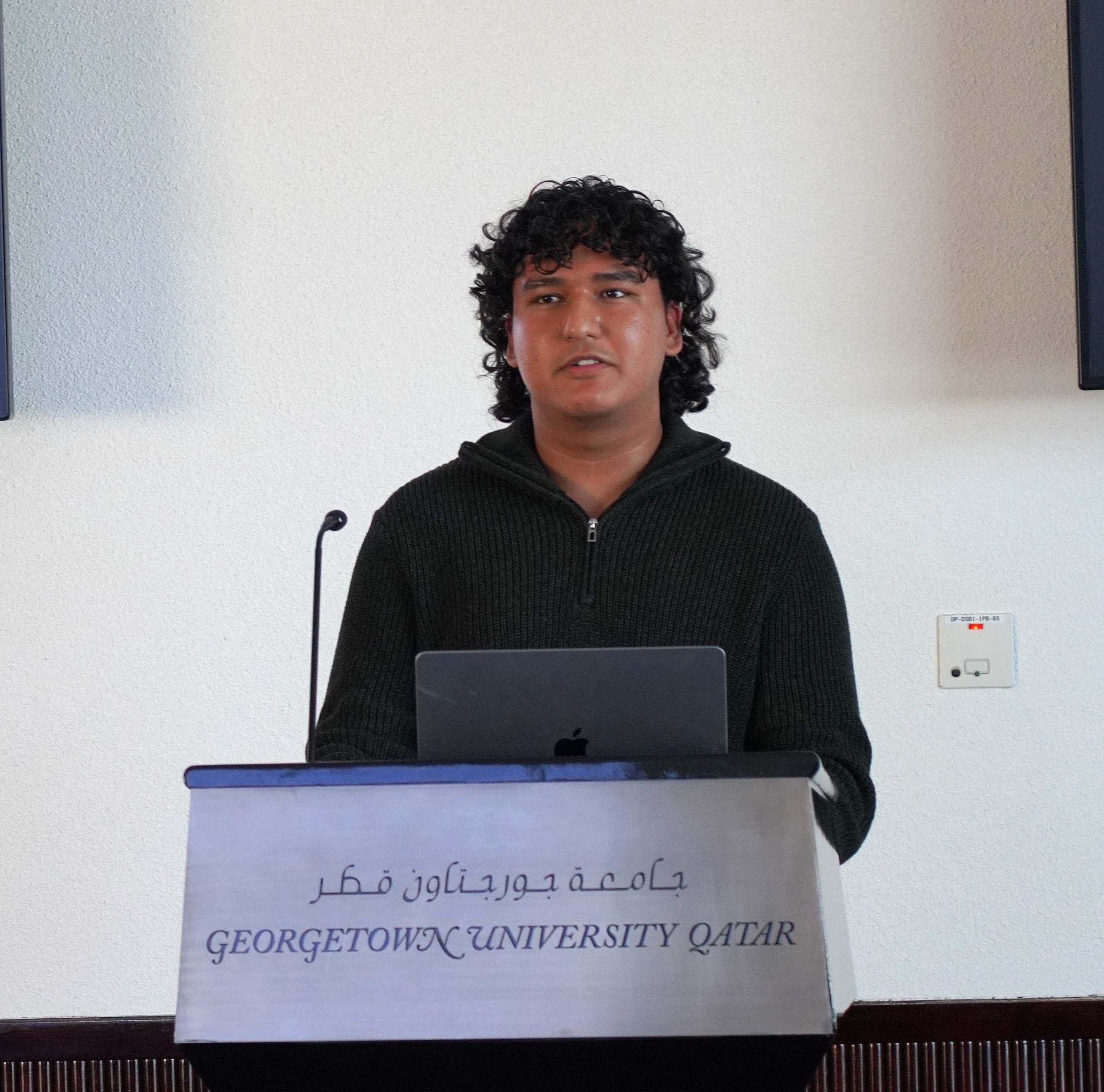
That pattern of research-based inquiry continues across the cohort. Pragyan Sharma (GU-Q ’28) will examine newspaper archives at the U.S. Library of Congress and the National Library of the Philippines to study how electricity systems were built in the Philippines during and after American colonial rule.
The impact of the program, however, extends beyond a single summer of research. Laidlaw becomes part of how students move through their degrees, shaping the questions they ask in classrooms, the methods they use, and the intellectual paths they choose to follow.
From the 2024 cohort, International History major Jannah El Gamal (GU-Q ’27) studied Syrian youth diaspora in Europe at a critical moment shortly after the fall of Bashar al-Assad’s regime. During a summer internship with Migrants Organise in the U.K., she found that building collective power among Syrians should be prioritized alongside delivering aid.
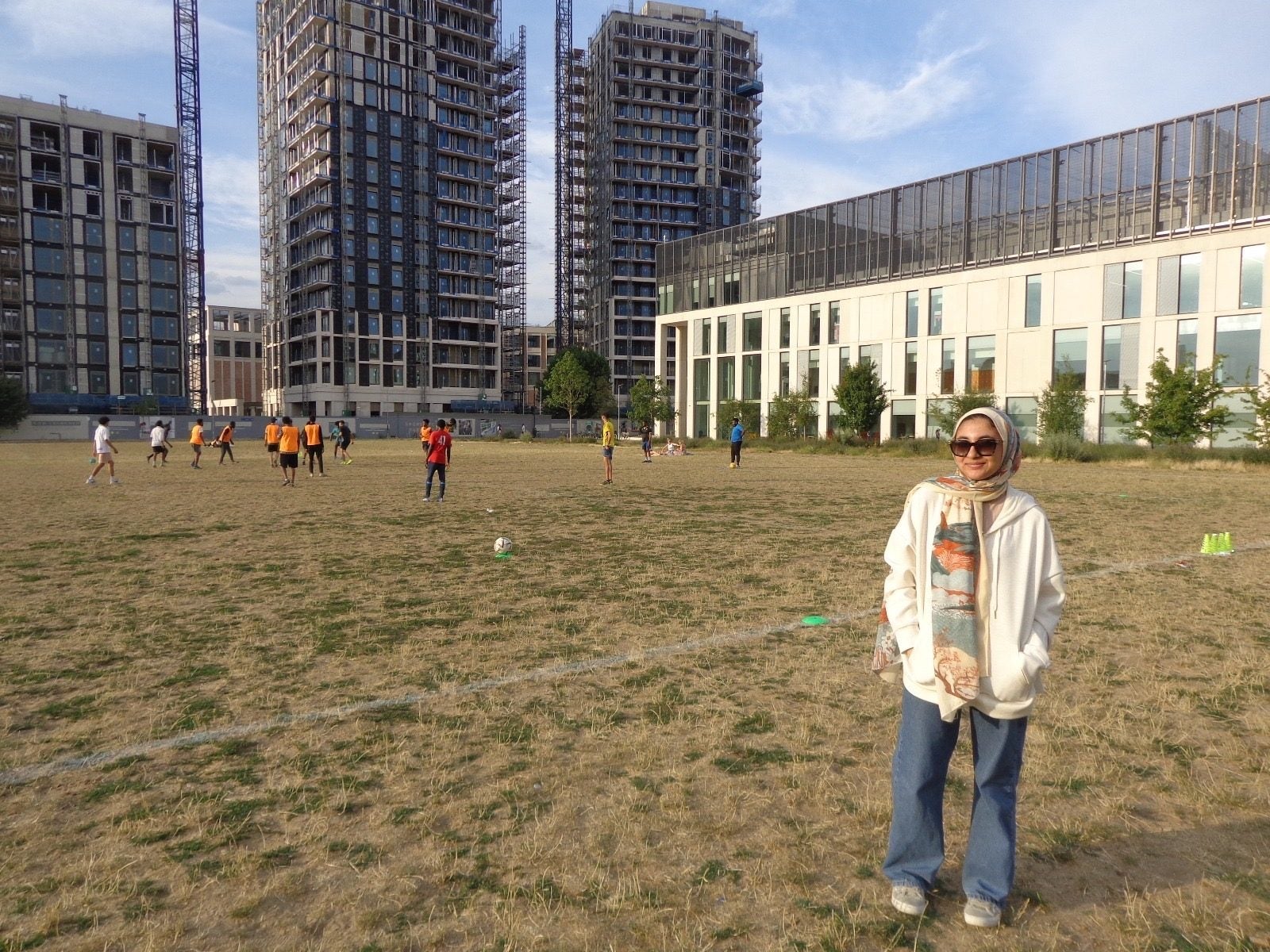
“Leadership is not about standing above others, it’s about standing with them,” she reflected.
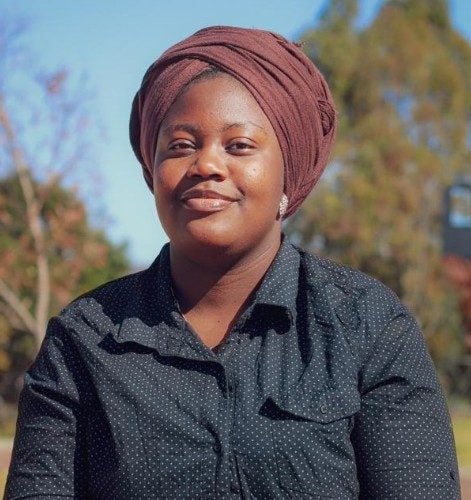
From the 2025 cohort, Yasmin Abdul Nasser (GU-Q ’27) spent her research summer in the Special Collections Unit at Oxford and the Cambridge University Library. She examined links between British colonial education systems and American models in Ghana’s boarding school system. Professor Karine Walther’s U.S. history course on Native American boarding schools and the impacts of imperial and assimilationist systems inspired her project, and shaped her comparisons.
“Most of the routines, practices, and systems were eerily similar to my personal experiences of Ghanaian boarding schools,” she said.
She has since presented her findings at multiple British universities. This summer, she will intern with Lead for Ghana, a mission-driven nonprofit focused on expanding educational opportunities and addressing educational inequity across Ghana. She will also conduct new research on female head porters — part of the informal economy who carry goods on their heads — in northern Ghana as the 2026 David F. Andretta Fellow through Georgetown’s Center for Social Justice Research, Teaching and Service.
Across cohorts, the Laidlaw experience becomes less of a summer and more of a turning point. It shapes how GU-Q students think, research, and lead long after the fieldwork ends. It carries into their remaining years at university and beyond graduation, laying the groundwork for rigorous work and leadership skills that shape their careers.
Filed under
Read More
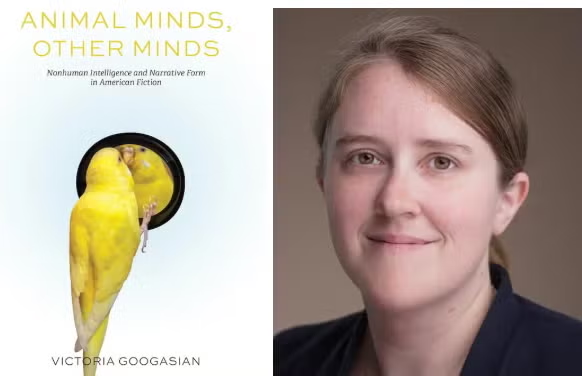
Can fiction about animal minds help us bridge the human divide? This professor thinks so.
A region is more than its headlines: Preserving the history of the Afghanistan-Pakistan frontier