From Turkey to Tufts, Afghanistan to Sciences Po: Asia’s Class of 2026 turns international affairs into a global mission
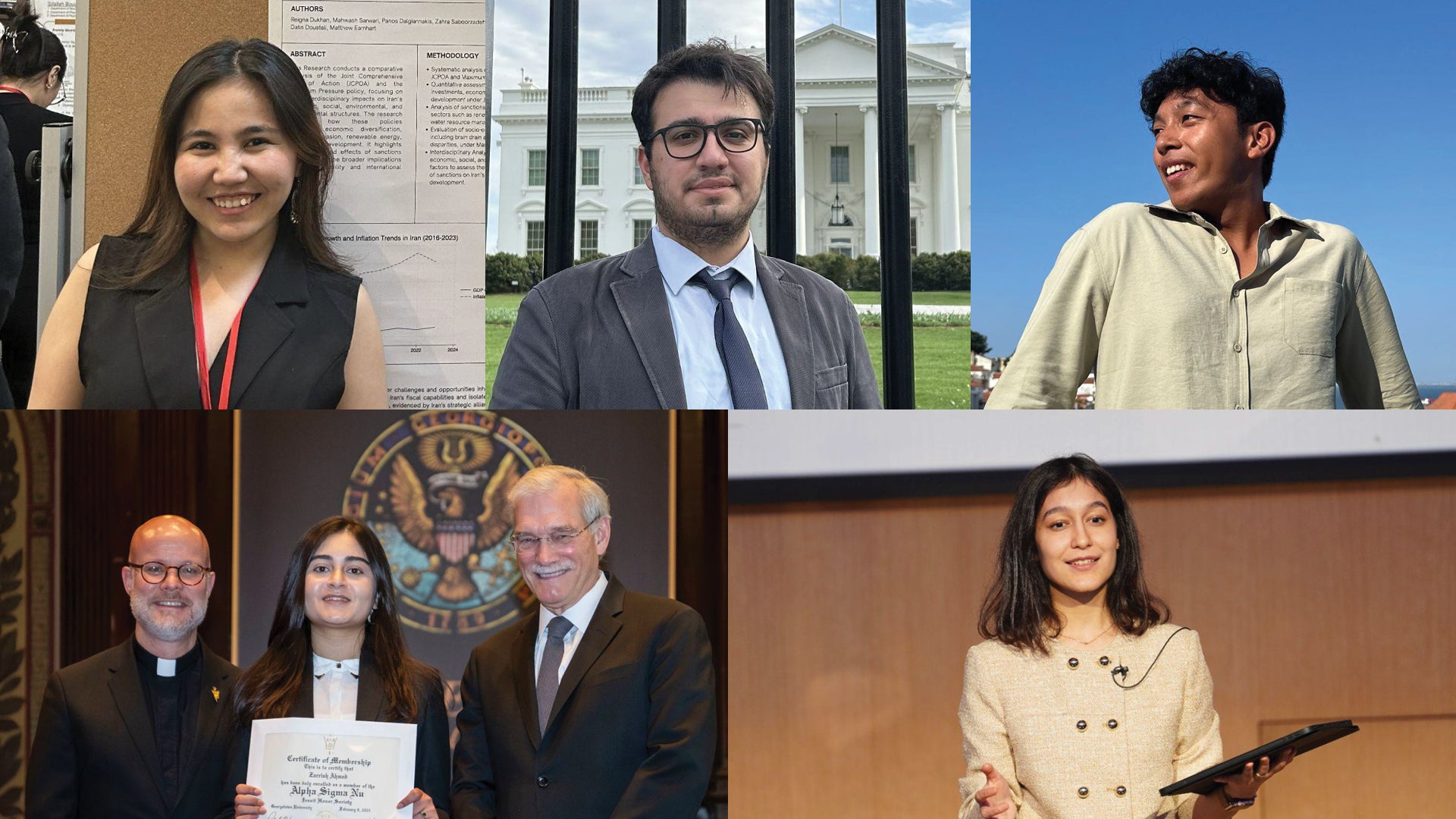
They came to Doha from across Asia, from the mountains of Afghanistan, the outskirts of Islamabad, the streets of Tashkent, the crossroads of Anatolia, the heart of China, and the halls of Manila, each bringing a story shaped by culture, curiosity, and a clear sense of purpose.
Now, as Georgetown University in Qatar’s Class of 2026 prepares to graduate, 34 students from across the region are closing one chapter and stepping into the next.
Among them are five standouts: Mahwash Sarwari of Afghanistan, heading to Sciences Po; Zarrish Ahmed of Pakistan, joining Kingwell Ma of China as a Schwarzman Scholar at Tsinghua University; Aras Karlıdağ of Turkey, taking his 89-country perspective to the Fletcher School at Tufts; Nafisa Sagdullaeva of Uzbekistan, building on four years of award-winning research and global dialogue; and Lawrence Mararac, a Filipino-raised third-culture student who grew up in Qatar, leaving behind a record of mentorship and postcolonial research that spans from Madrid to Harvard.
Together, they reflect a generation ready to take on an increasingly uncertain world with focus and purpose.
Mahwash Sarwari | Afghanistan | International Economics, Certificate in Energy Studies
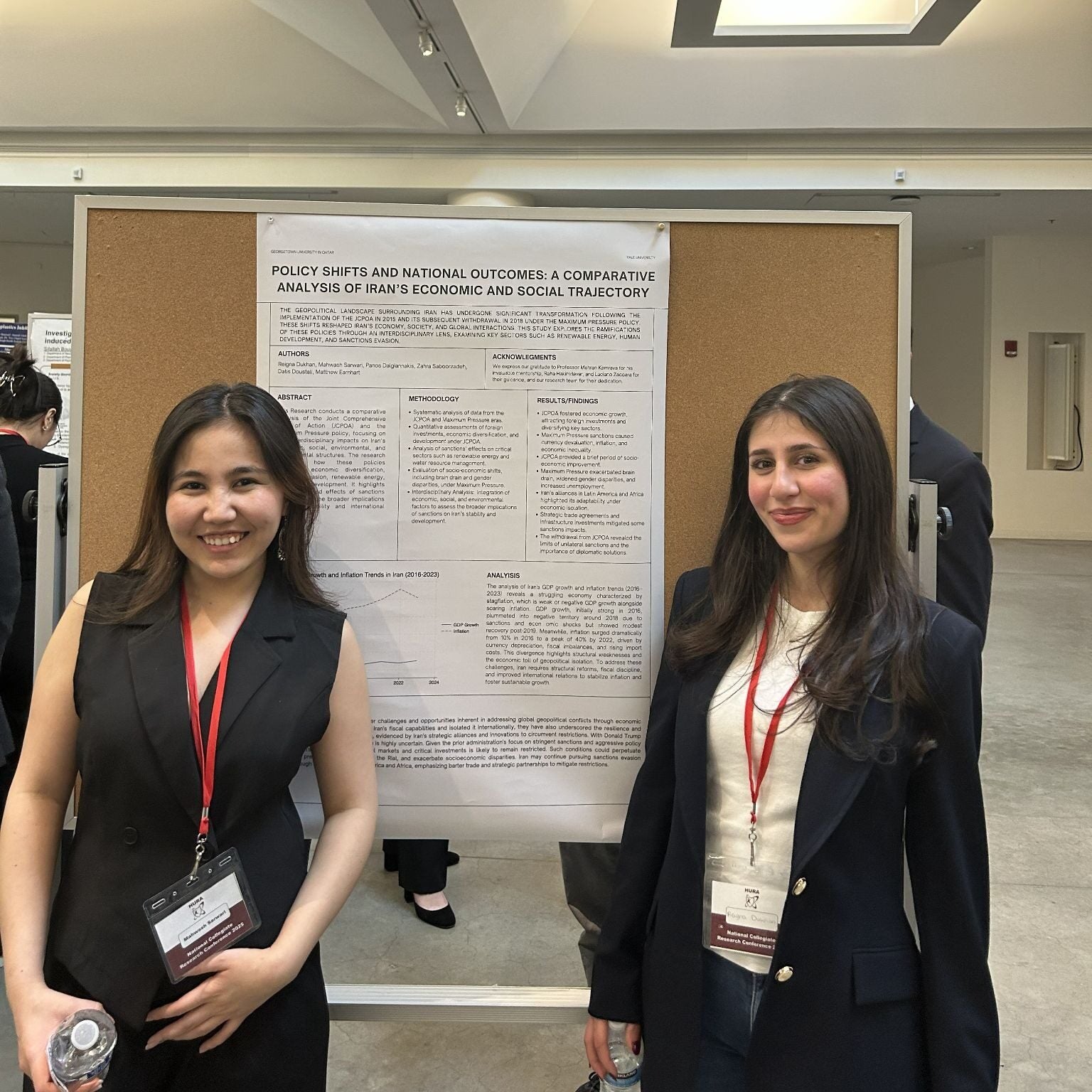
Presenting research at Harvard
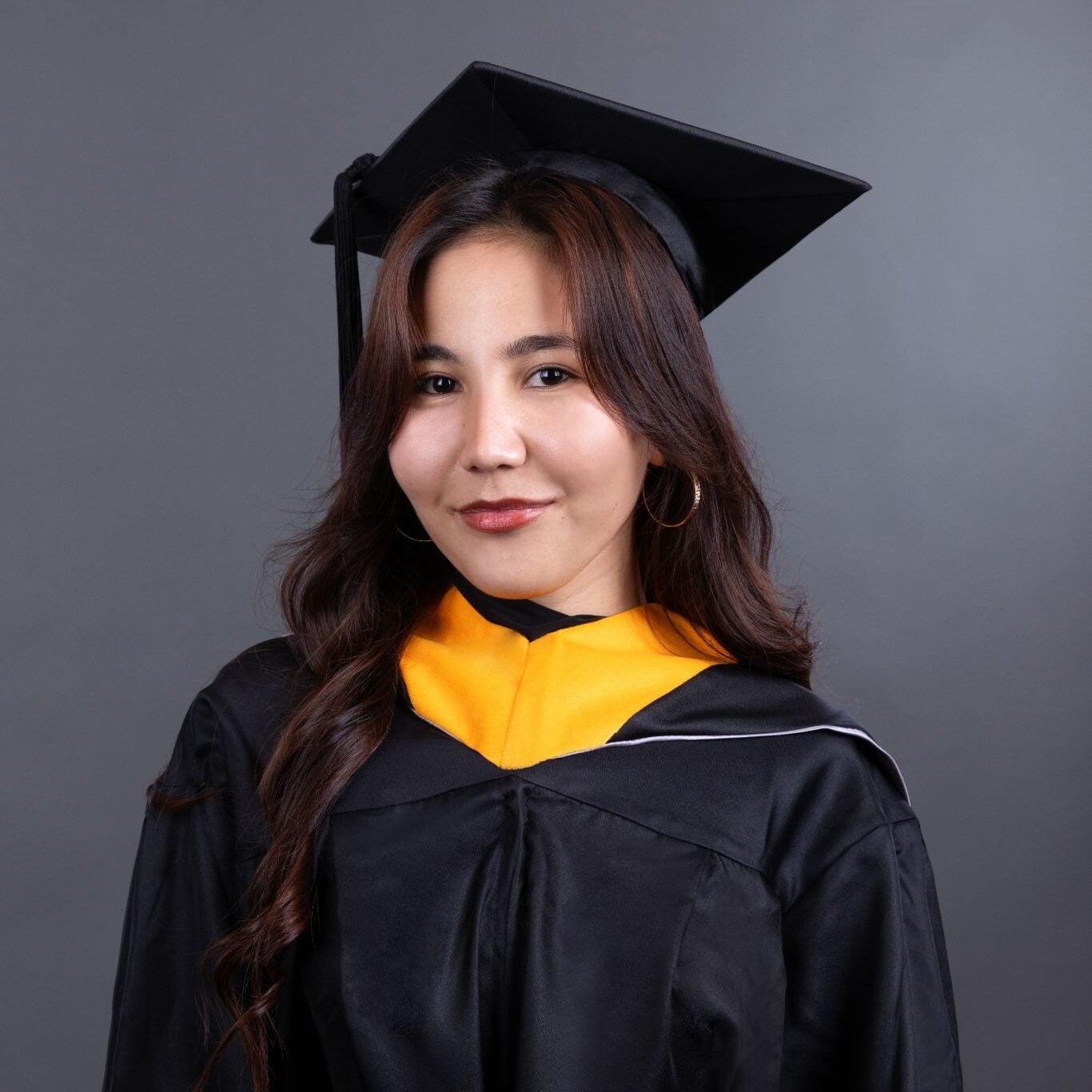
Graduation portrait
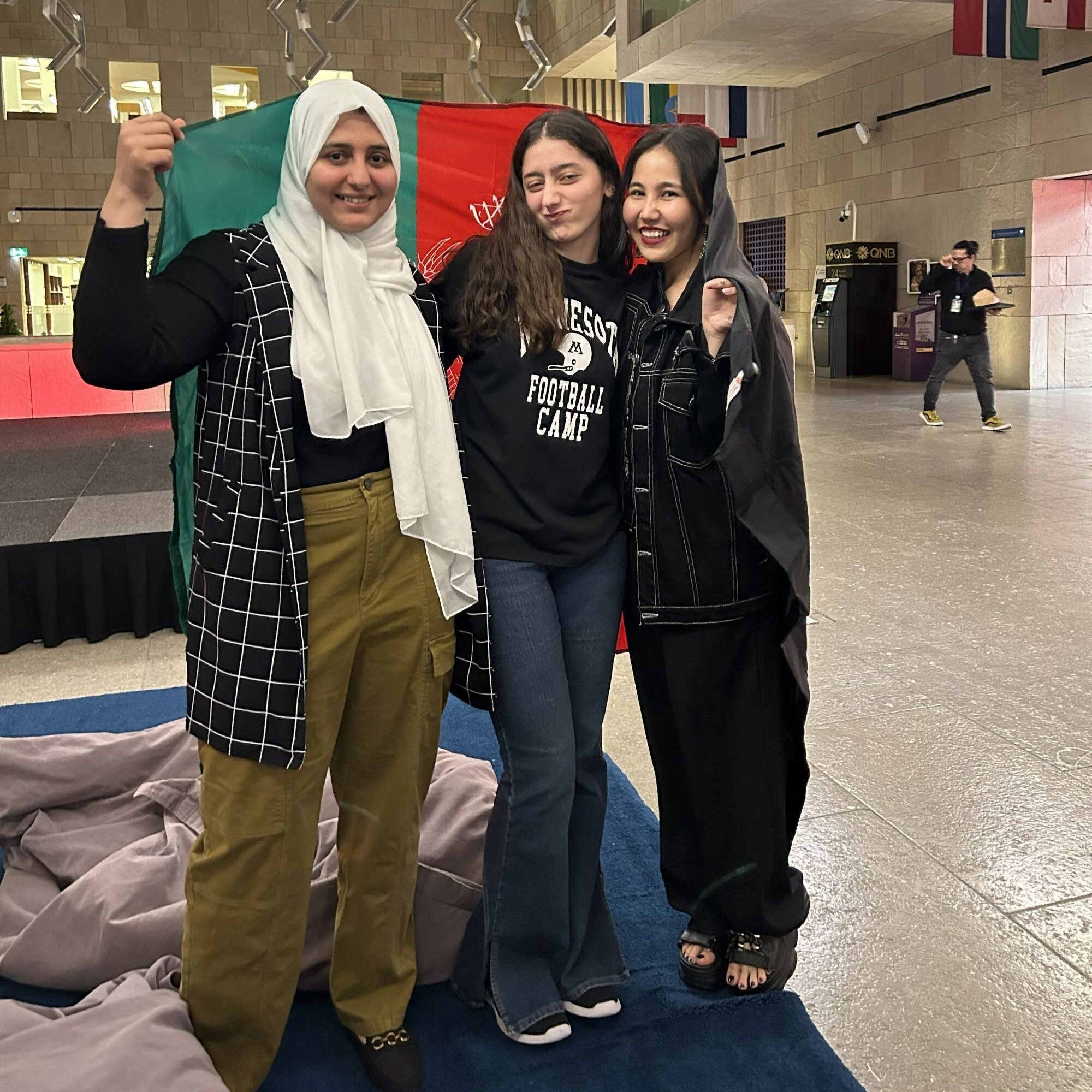
With other students from Afghanistan
Mahwash Sarwari is a proud Afghan whose identity was forged growing up in Iran and attending the Aga Khan Academy in Hyderabad. “Learning about other cultures helped me hold on to my own culture and beliefs,” she says. Her time at Georgetown only deepened that quality: “It gave me the space to build myself,” she says.
A first-generation college student graduating cum laude and a member of several honor societies, Mahwash took advantage of every opportunity available. She conducted collaborative research with Yale students on the economic impact of sanctions on Iran, presenting findings at a Harvard research conference, and wrote her award-winning Energy Studies thesis on translating Singapore’s food-energy-water governance model into lessons for resource-scarce states like Qatar. She co-produced a short film with the UN Development Program highlighting Afghan women’s perspectives on hope, and, as a UN Local Council of Youth student ambassador, contributed to Qatar’s National Youth Climate Position.
Her most meaningful college experience was co-founding Georgetown’s Afghan Student Community. “It gave me the platform to share my culture and connect students with service through the Afghanistan Education Outreach Project.”
Now accepted into Sciences Po for a Master’s in International Development Studies, she offers a key piece of advice from her own success story: “Be a shameless opportunist.”
Zarrish Ahmed | Pakistan | International Politics, Certificate in South Asian Studies
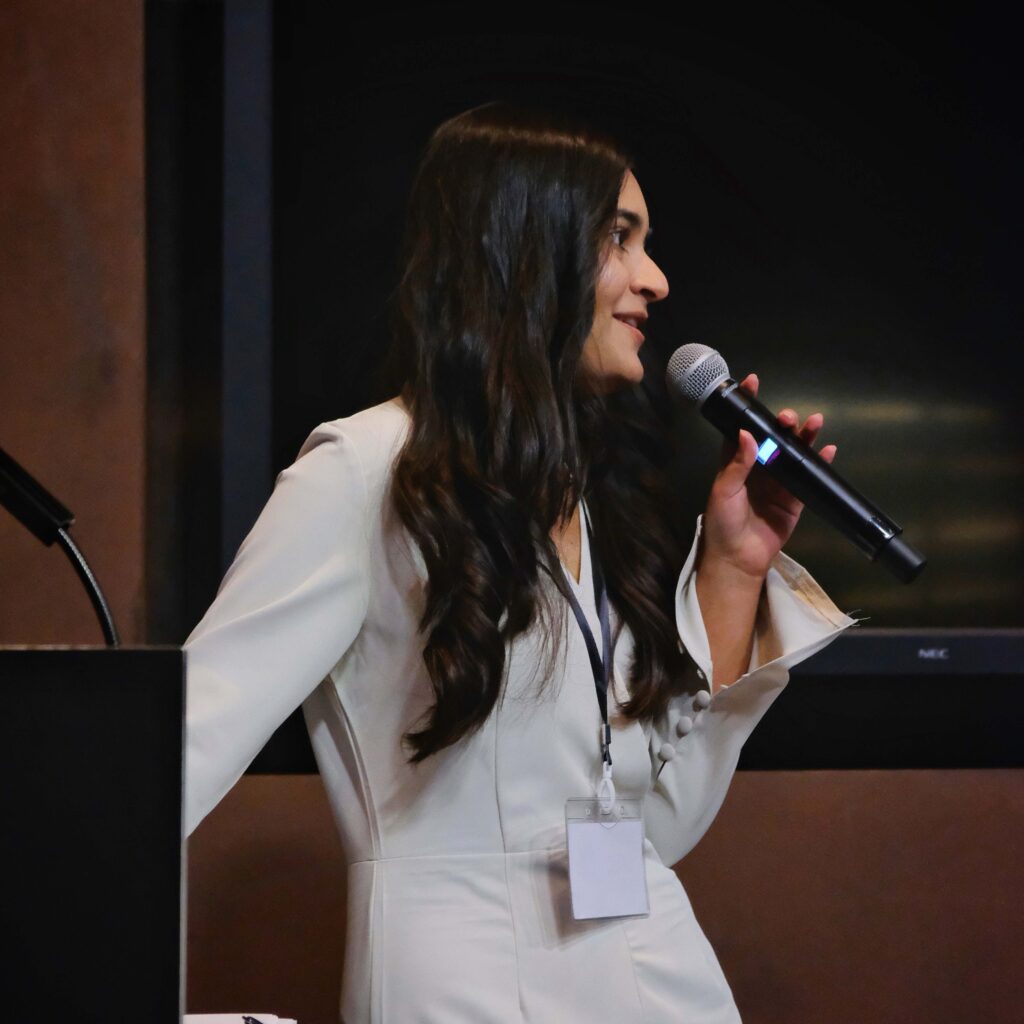
Leading a first year student event
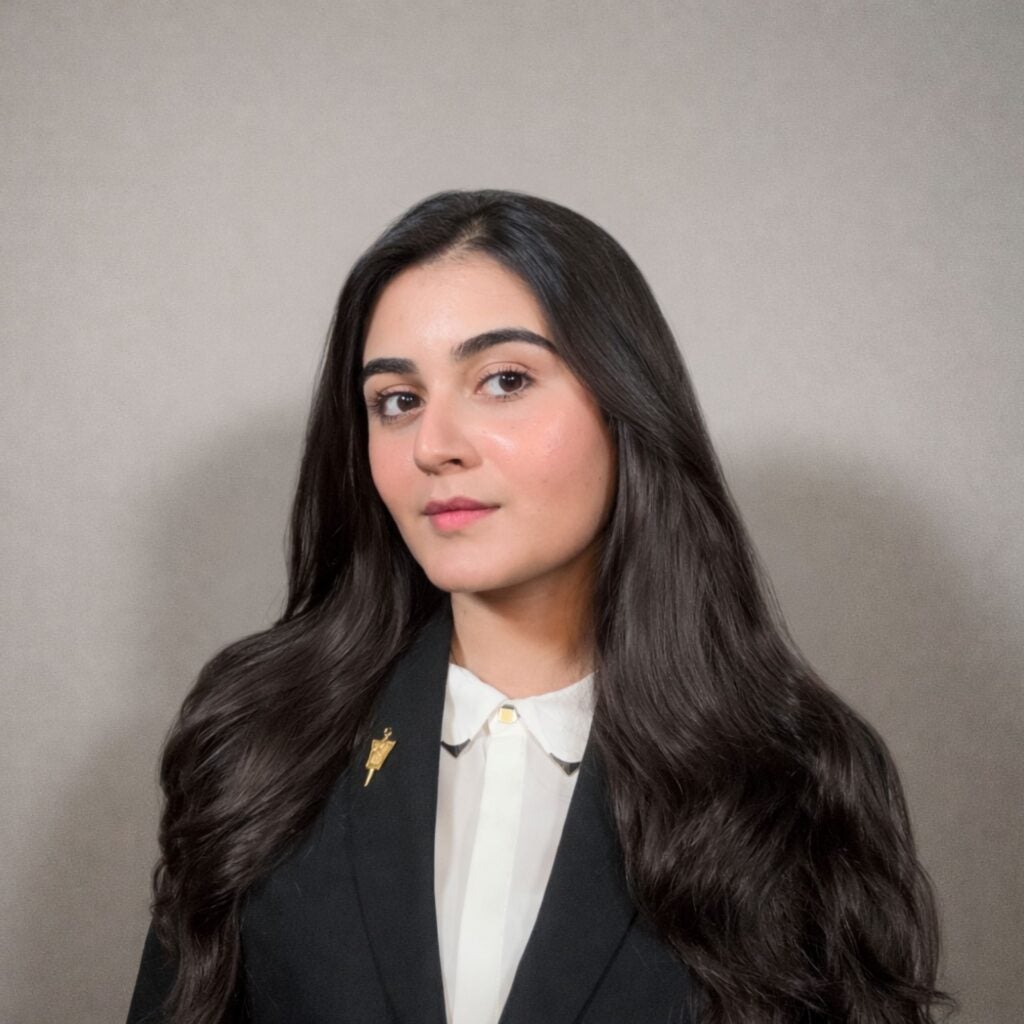
Portrait photo
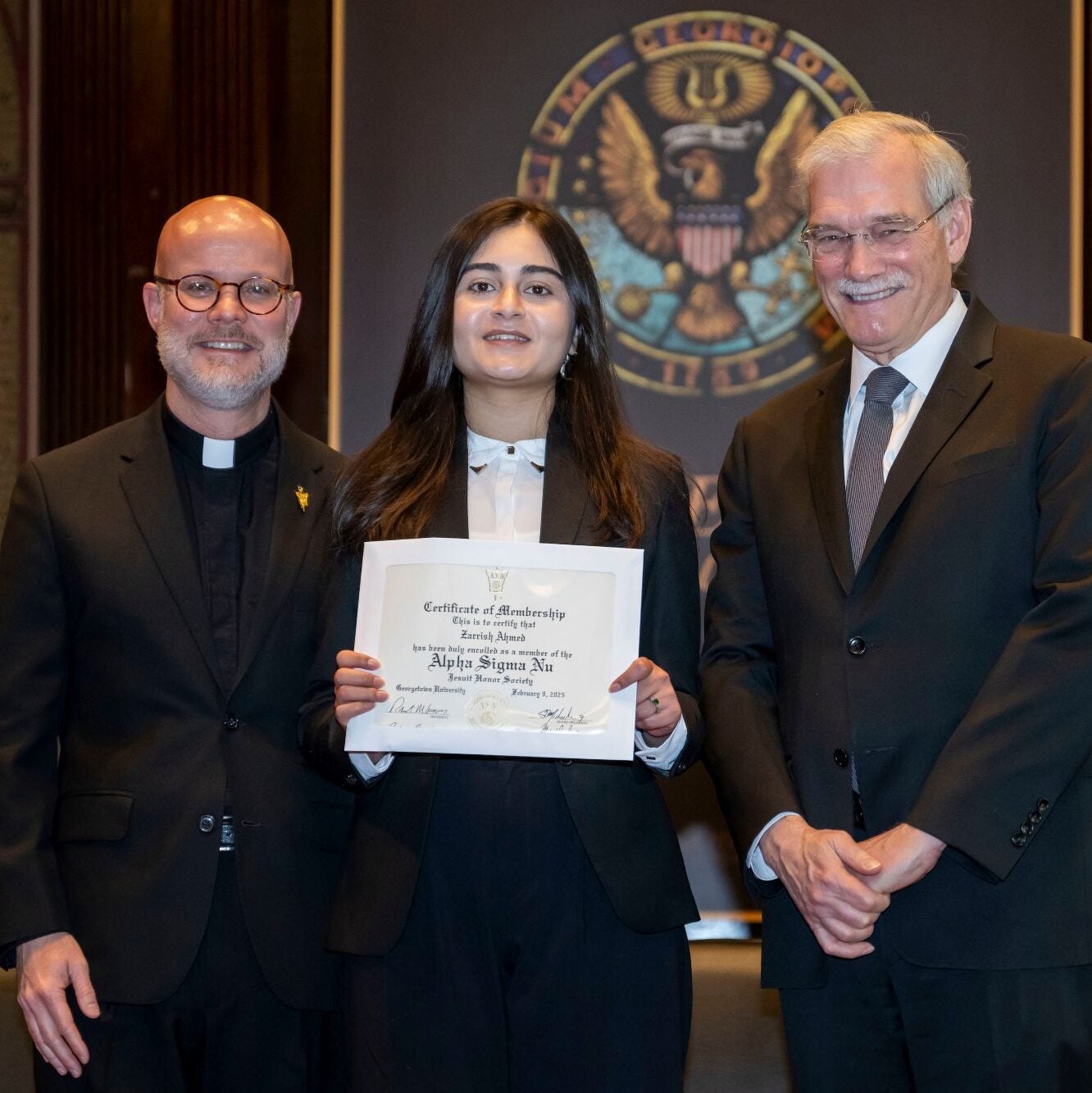
Induction into Alpha Sigma Nu in Washington, DC
Aspiring humanitarian Zarrish Ahmed is graduating not just at the top of her class, but as a pathbreaker, the first girl to study abroad from her village in Pakistan. “My educational journey felt bigger than me,” she says.
That mantle of responsibility has defined her years at GU-Q. An International Politics major, she made it her mission to “make people feel supported and connected.” She designed a Certificate in South Asian Studies, served in Student Government, led the South Asian Society, and created programs that helped new students adjust to university life, earning her Georgetown’s prestigious Lena Landegger Community Service Award and the Blue and Gray Award.
Trips to Nepal, Ghana, and a semester in Washington, DC, inspired her to pursue humanitarian work that “engages people on their own terms.” It’s a lesson she carried into her thesis research on community responses to flooding in Pakistan, which she presented at a conference in Cambridge, UK.
Four internships, including at Pakistan’s Ministry of Foreign Affairs, taught her the inner workings of humanitarian aid and clarified her purpose: “I never want to be the last girl from my village to get this far,” she says. “The whole point is to bring others along.” With the prestigious Schwarzman Scholarship, she will pursue her next step toward that goal with a master’s in Global Affairs at Tsinghua University.
Aras Karlıdağ | Turkey | International Politics
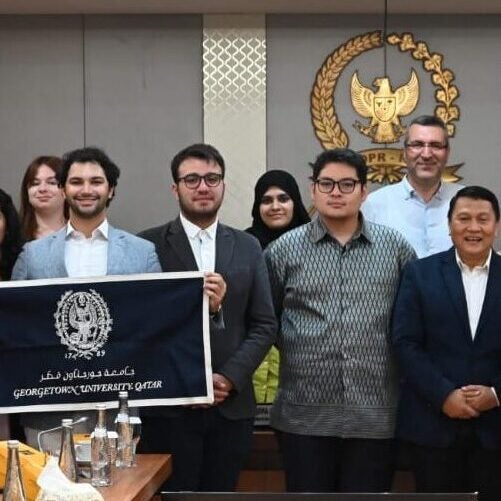
Studying in Indonesia
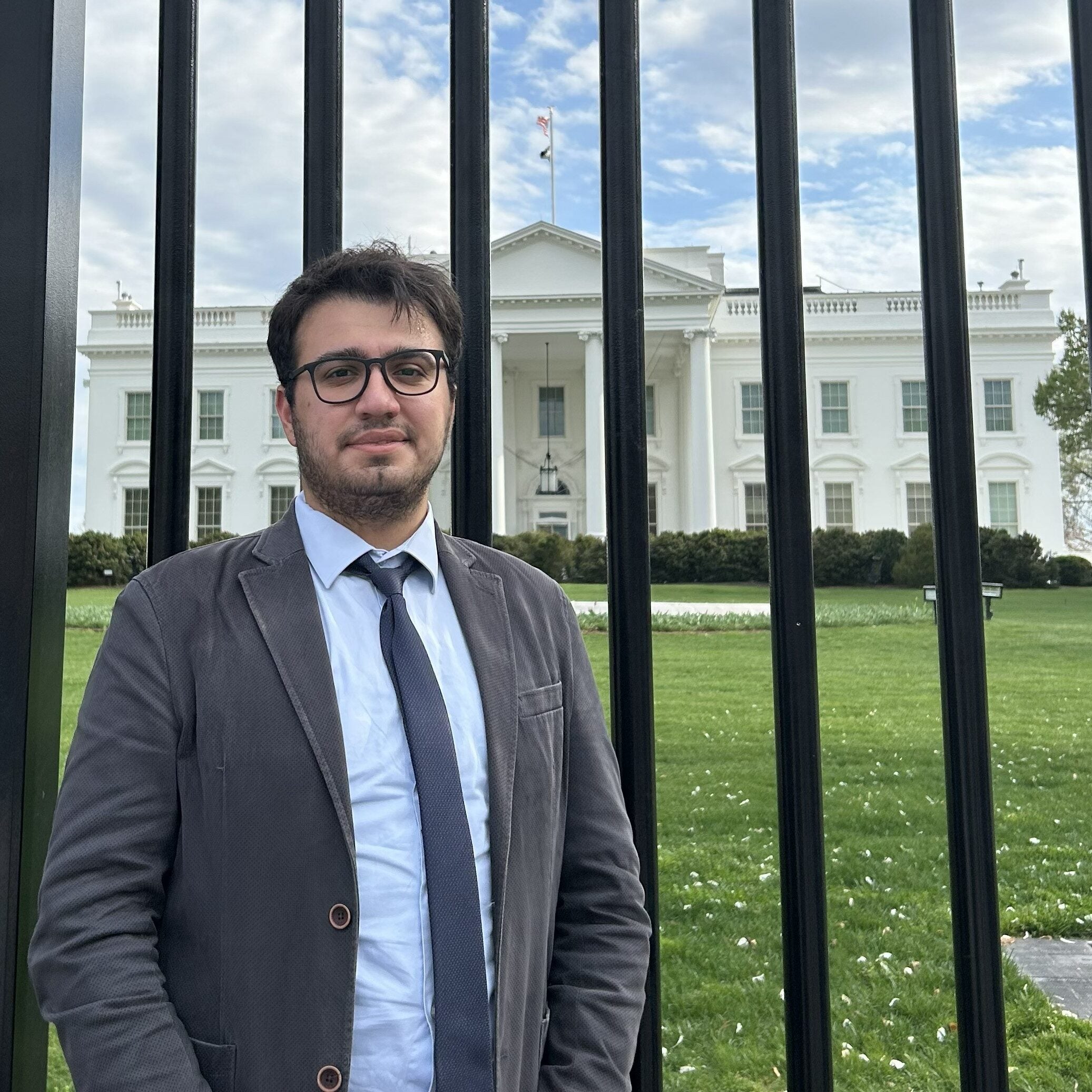
Studying in Washington, DC
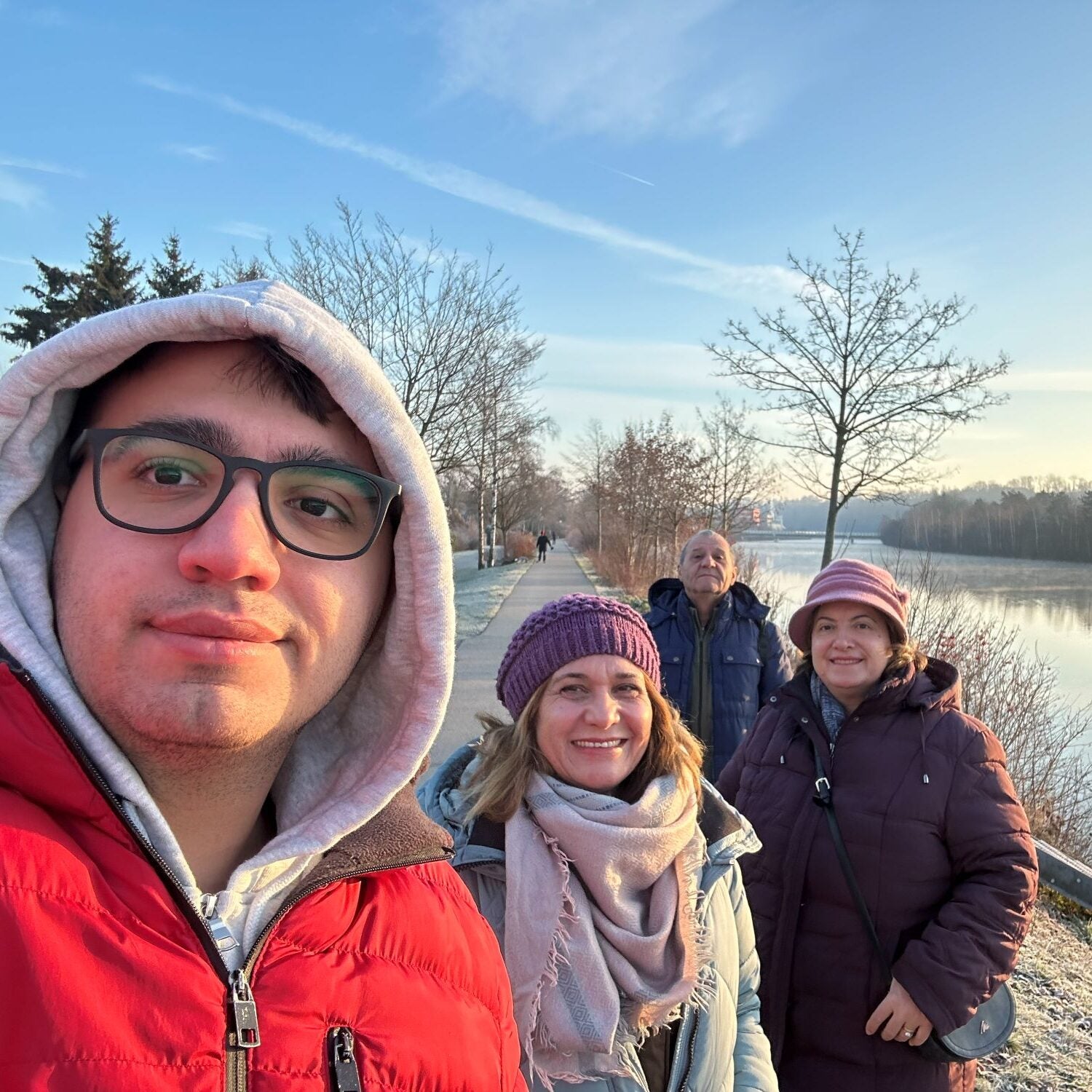
Traveling with family
When Aras Karlıdağ says he has visited 89 countries, it’s not a boast, it’s a philosophy of encounter. “I value how cultures influence one another, and evolve together,” says the Turkish International Politics graduate.
At GU-Q, he took every opportunity to engage with the world. He conducted research in Greece and Iceland, studied in Indonesia, spent a semester in Washington, DC, and did a law fellowship in Milan. He conducted major research on the Eastern Mediterranean, and presented at international research conferences.
Aras also modeled encounters for others. As Law Society President, he led the Jessup Moot Court team twice to the international rounds. He oversaw major Georgetown MUN conferences as Secretary-General, welcoming more than 3,000 delegates, and mentored students with the Honor Council.
He practiced policymaking through internships at the Middle East Council on Global Affairs and the Doha office of Northern Cyprus, and even advised the Qatar World Trade Organization Office through a course with HBKU’s College of Law.
“I had access to diplomats, world leaders, and faculty in ways that felt accessible, personal, and often transformative,” he says.
Now headed to a Master’s program at Tufts, Georgetown, or Johns Hopkins, Aras leaves with more than just an understanding of global diplomacy: “Georgetown gave me the confidence to see myself as part of that world.”
Nafisa Sagdullaeva | Uzbekistan | International Politics, Minors in Economics and Arabic
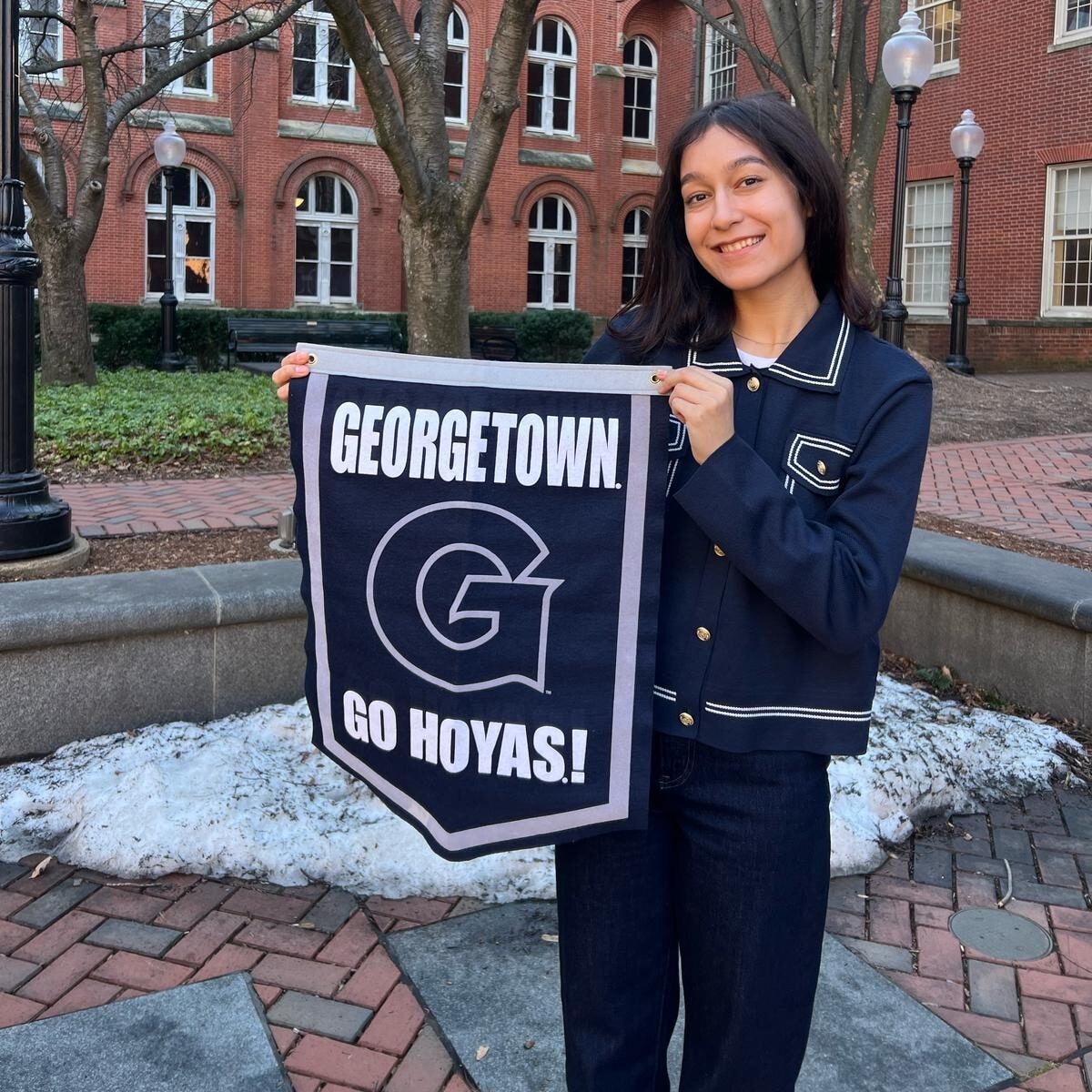
At Georgetown in Washington, DC
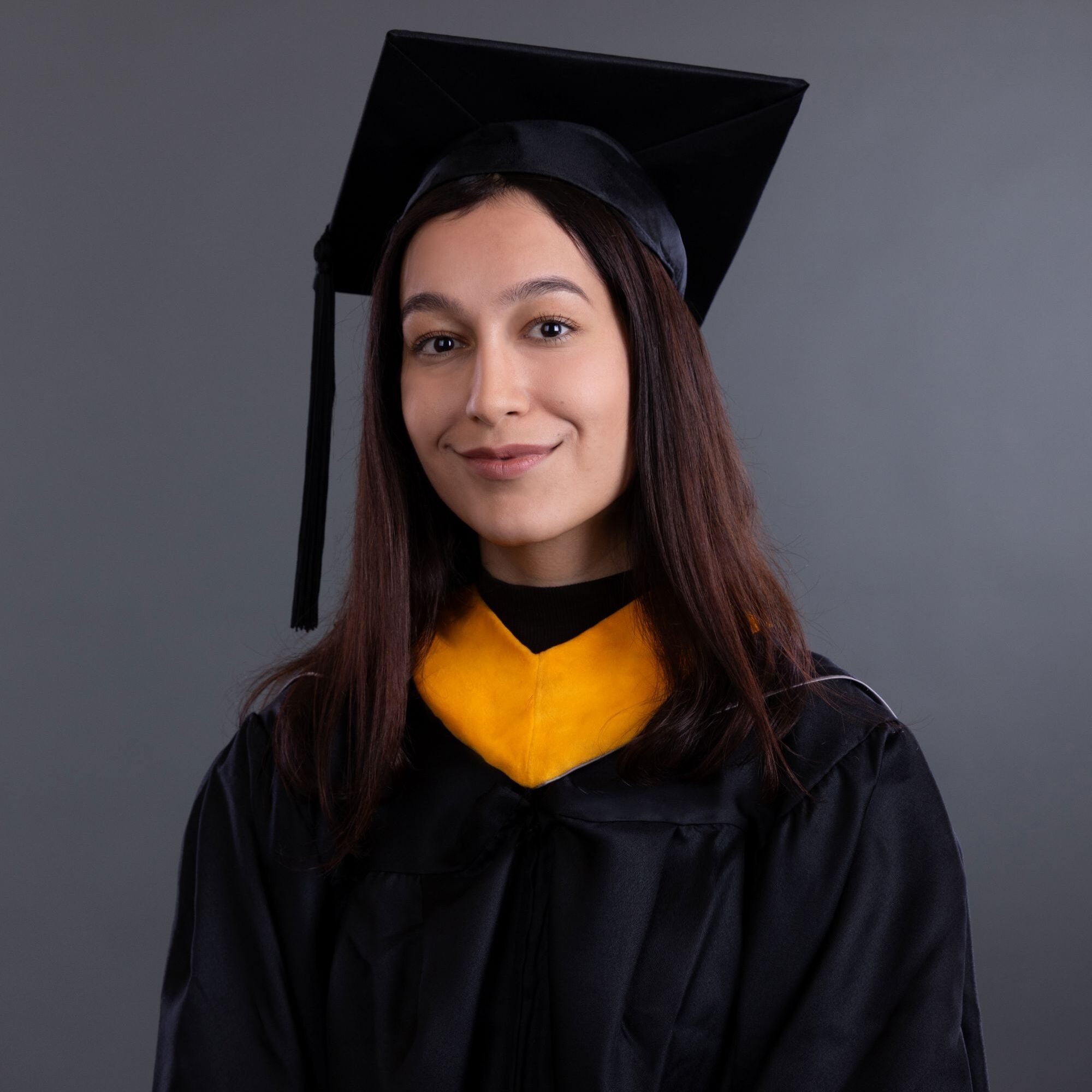
Graduation photo
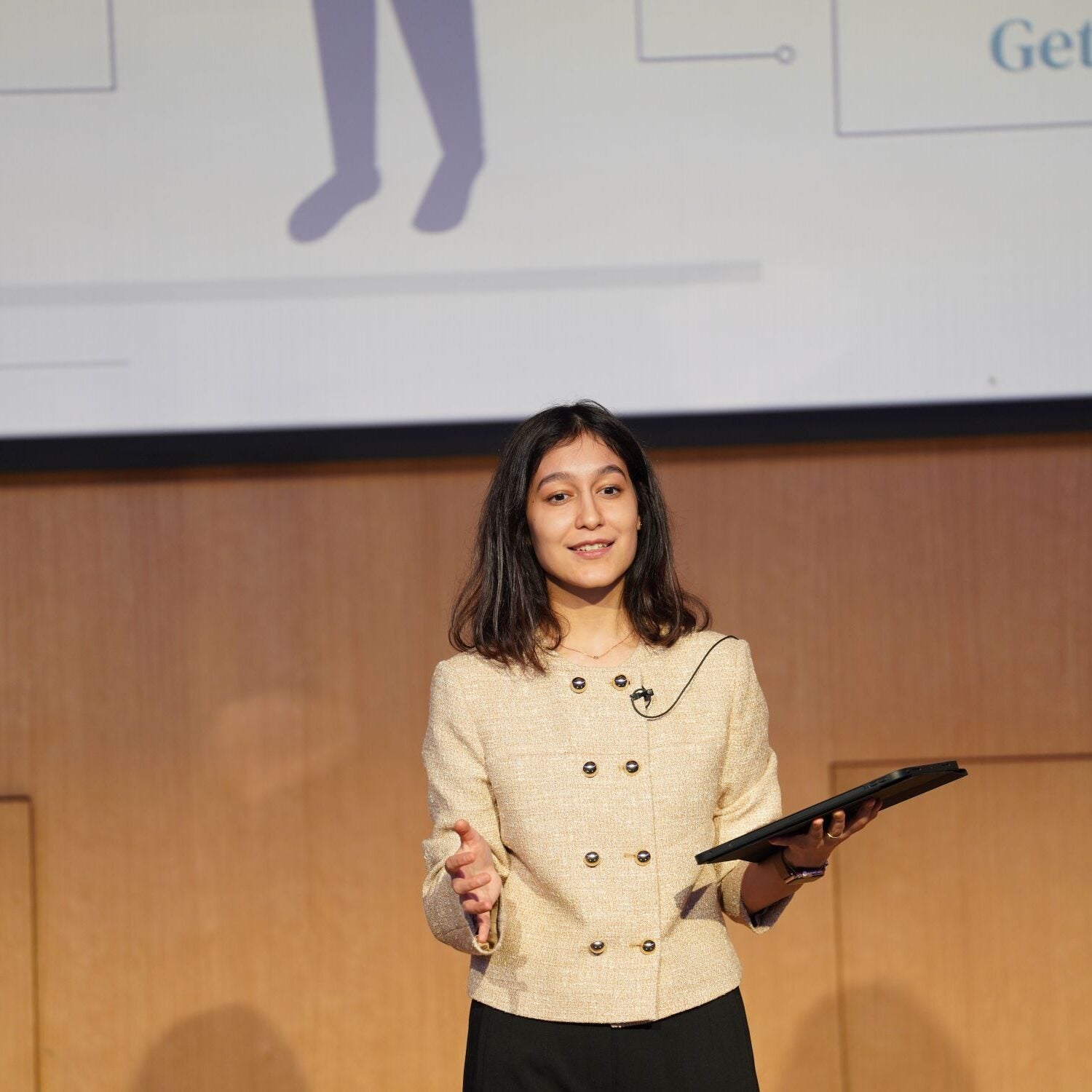
Giving a TedX talk
Nafisa Sagdullaeva arrived at Georgetown already fluent in the language of the world. Born in Tashkent and raised across borders, she had learned early that the same issue could mean entirely different things depending on where you were standing. What she needed was a framework to make sense of it all.
She found it in her very first year.
A first-year course with Dr. Mehran Kamrava reoriented everything. “He breaks down theories in a way that makes you see them in everyday life.” She left that classroom knowing she had found her major. What began as broad curiosity became a rigorous academic identity: International Politics, with double minors in Economics and Arabic, proficiency in Russian, and an honors thesis on Uzbekistan’s diplomatic transformation, supervised by Dr. Kamrava himself.
Travel sharpened that vision further. A trip to Rwanda brought history out of abstraction. A women’s trip to Washington, DC, showed her how global conversations harden into policy. In Tokyo, presenting AI-in-education research internationally, she encountered questions that pushed her thinking into unmapped territory. In Qatar, a Qatar Foundation internship turned these ideas into practice.
Through all of it, one constant held: deep support and care. “The most memorable part of my time at Georgetown was the people. Before I left, my mom told me to cherish this special time. At the time, I did not fully understand it, but now I do.”
Lawrence Mararac | Philippines/Qatar | Culture & Politics, Philosophy Minor
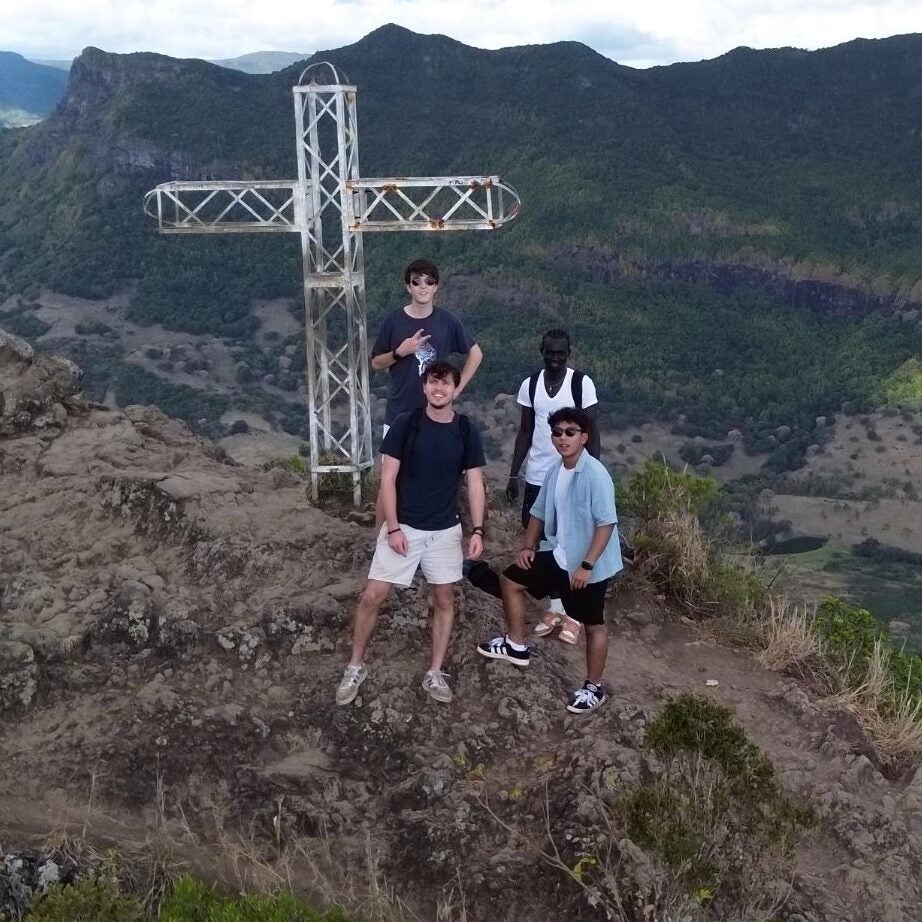
With DC Students in Mauritius
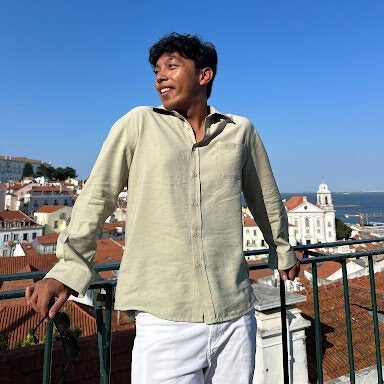
Visiting Portugal
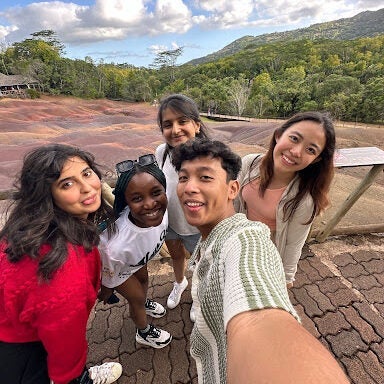
Zones Student Leader in Mauritius
Lawrence Mararac grew up in Qatar, a self-described third-culture kid. “I am Filipino at heart, but I grew up in a multicultural environment where no single perspective ever felt complete on its own.” By the time he graduated summa cum laude in Culture and Politics, he had turned that insight into a research program, a travel record, and a way of being in the world.
Georgetown gave Lawrence an expansive classroom. Through the Zones of Conflict, Zones of Peace program, he traveled to South Africa and Mauritius as a student leader, represented Qatar at the Venice Biennale, and twice conducted fieldwork in Spain, examining Filipino migration and how archives narrate colonial history, research he later presented at Harvard. “These experiences made me more critical of how history is constructed, and more attentive to whose voices are absent.”
The work is personal as much as academic. As the child of Filipino migrants, his research sits at the intersection of migration studies, postcolonial theory, and cultural geography, supported by multiple Georgetown grants and the Kalorama Research Fellowship. He also was known as a mentor, and earned Phi Beta Kappa, Alpha Sigma Nu, and the Culture and Politics Best Student award.
His advice to those who follow: “The environment here rewards curiosity, and it values people who show up with heart.”
More About the Class of 2026
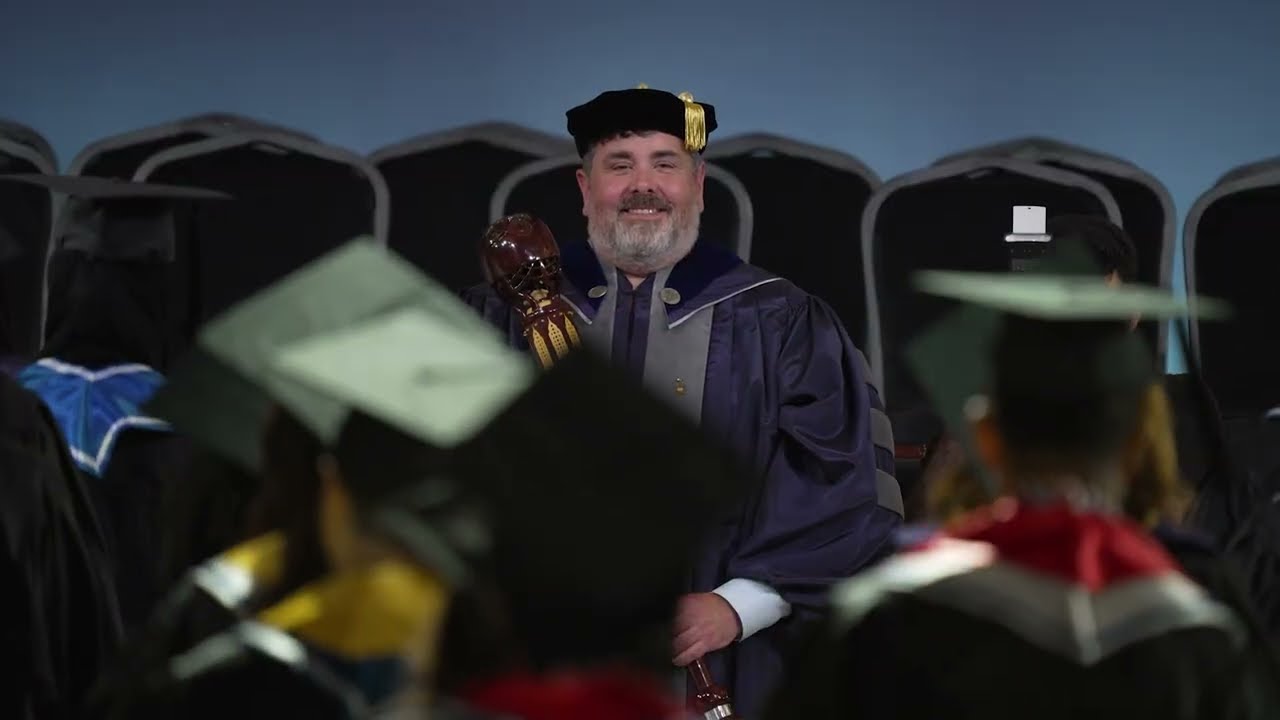
Watch the full Ceremony
Filed under
Read More
Can fiction about animal minds help us bridge the human divide? This professor thinks so.
A region is more than its headlines: Preserving the history of the Afghanistan-Pakistan frontier